Baby Animals Coloring Pages
Cute baby animal coloring pages featuring kittens, ducklings, fawns, cubs, lambs, and other young animals.
Create a Custom Coloring Page
Describe what you'd like and we'll generate it free, no account needed
Family-friendly only · 1 free per day
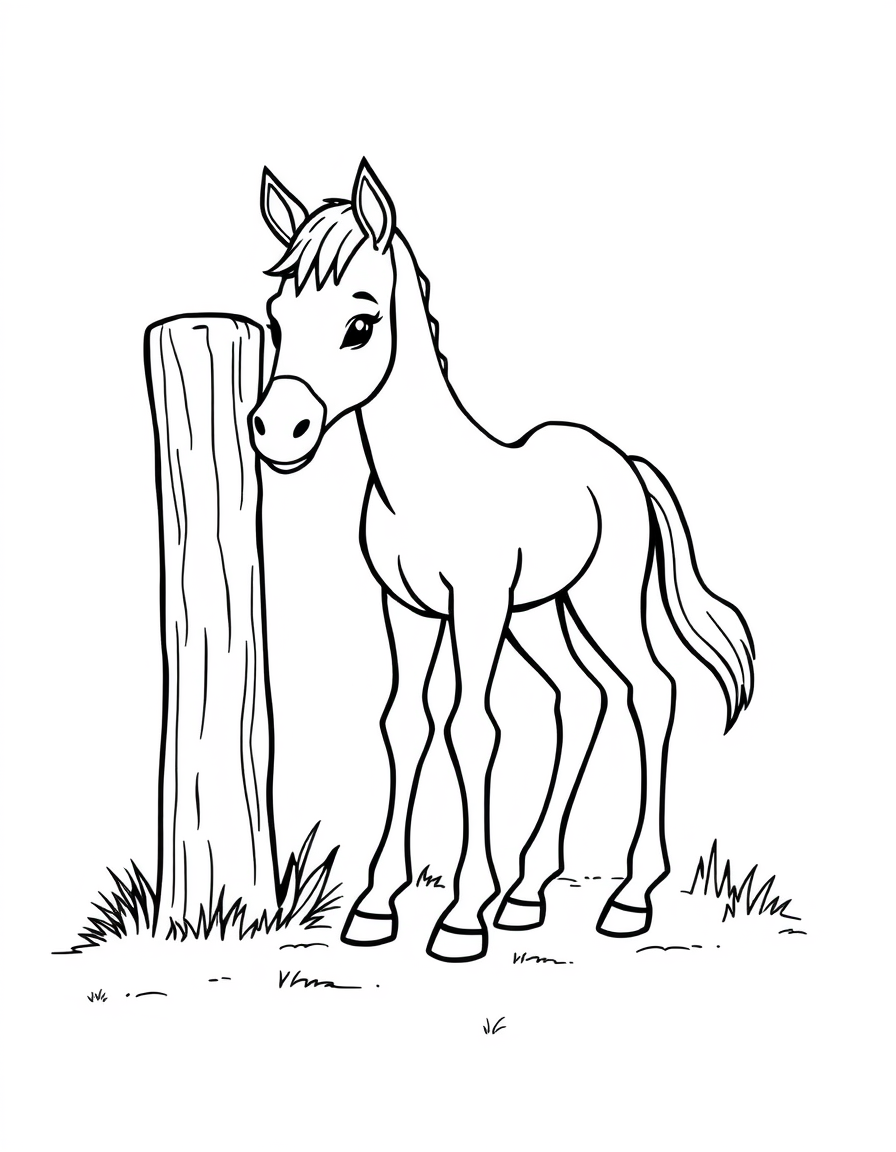
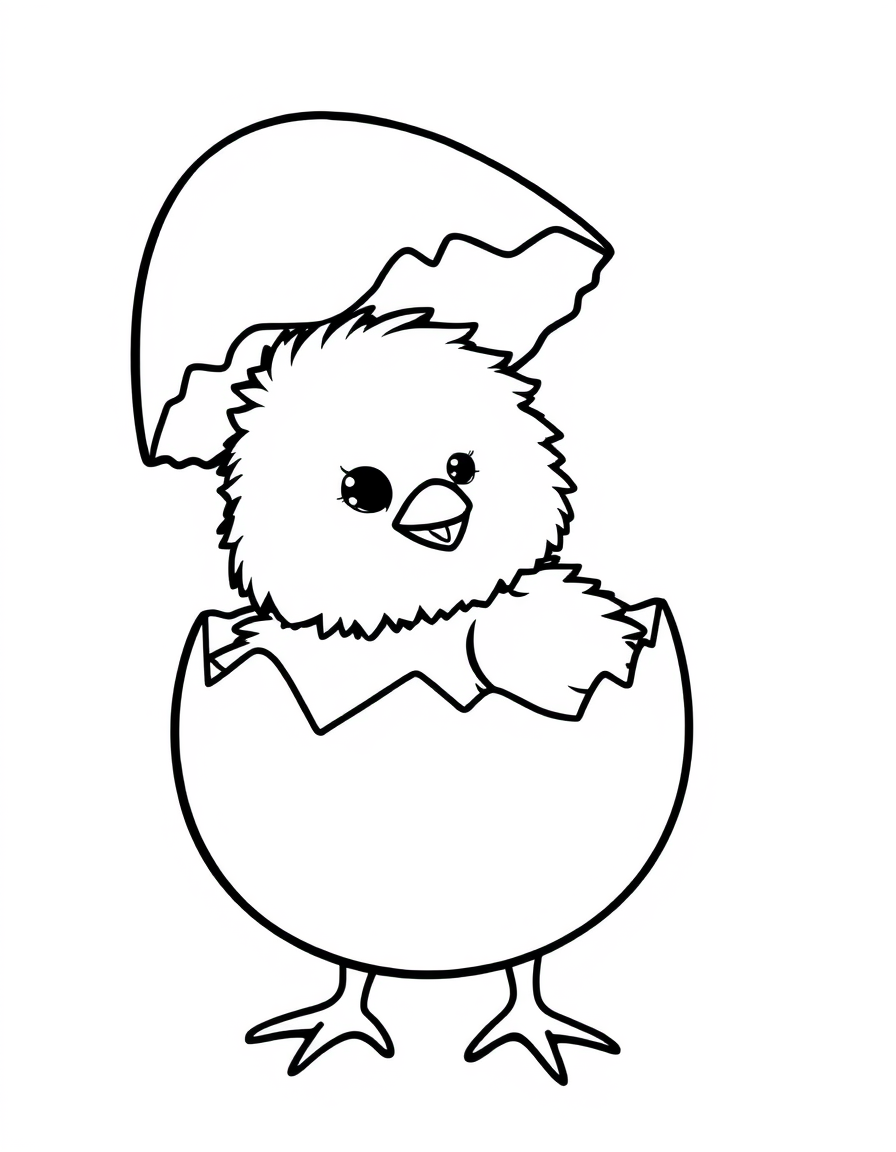
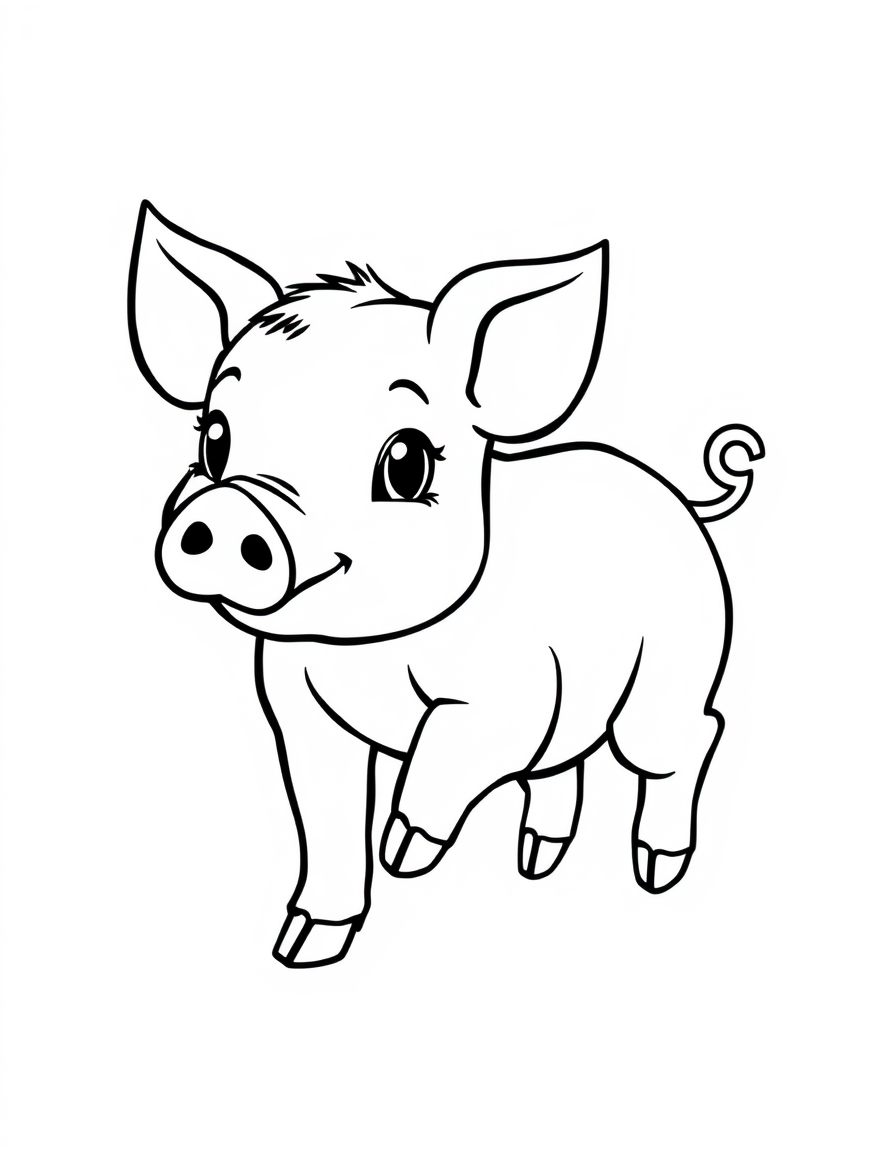
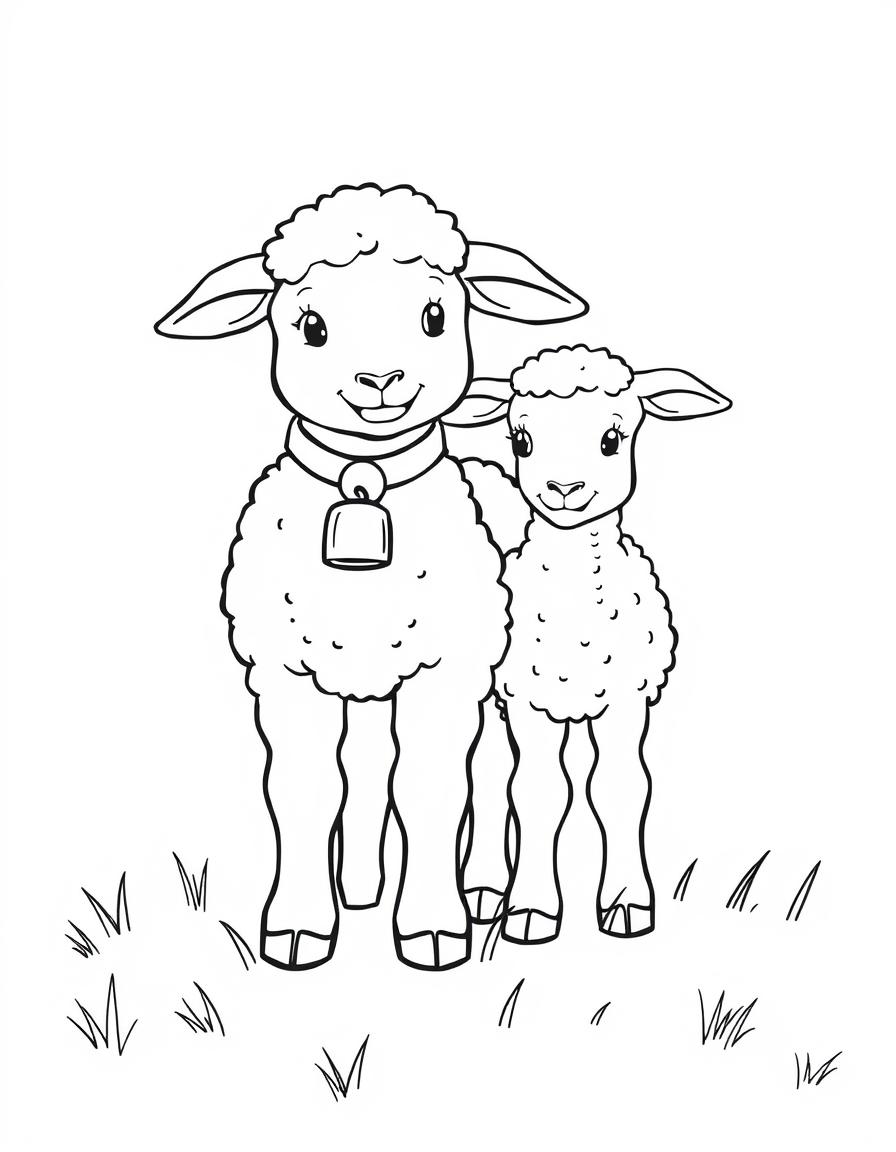
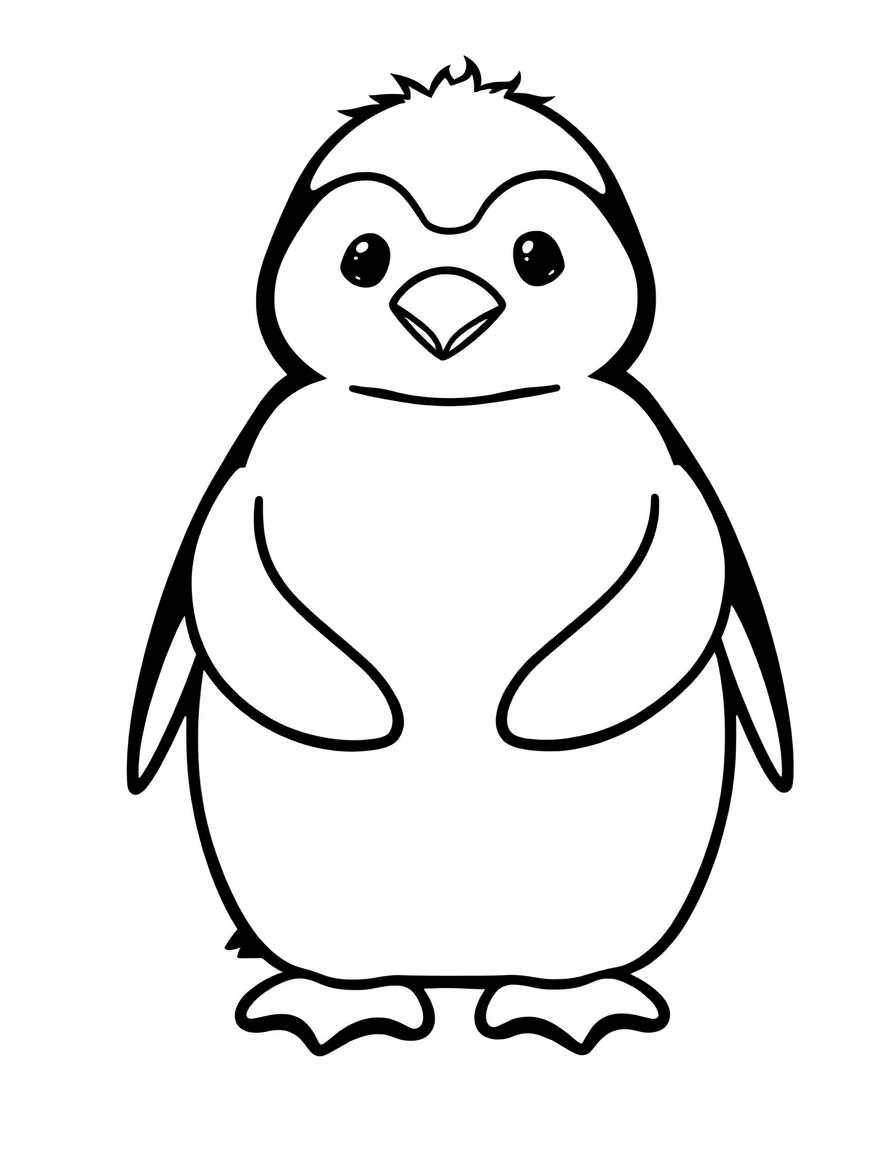
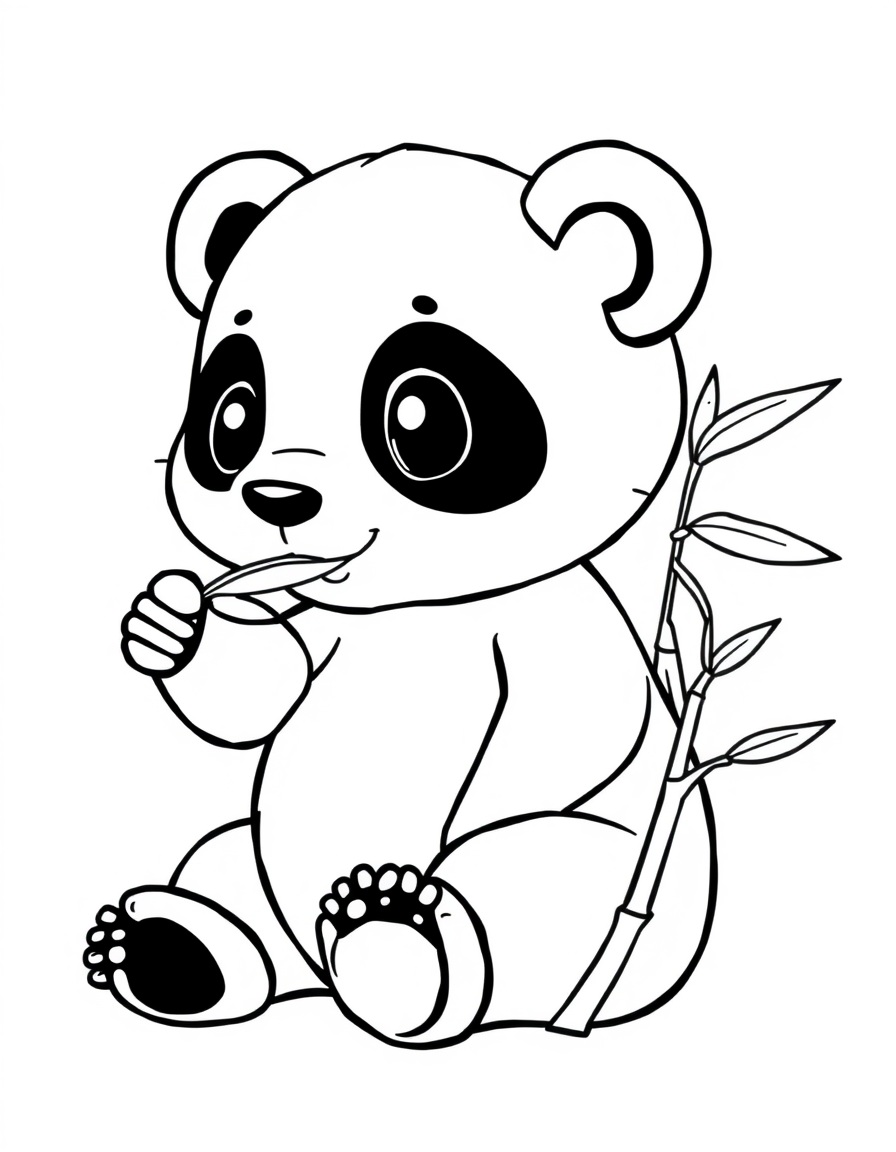
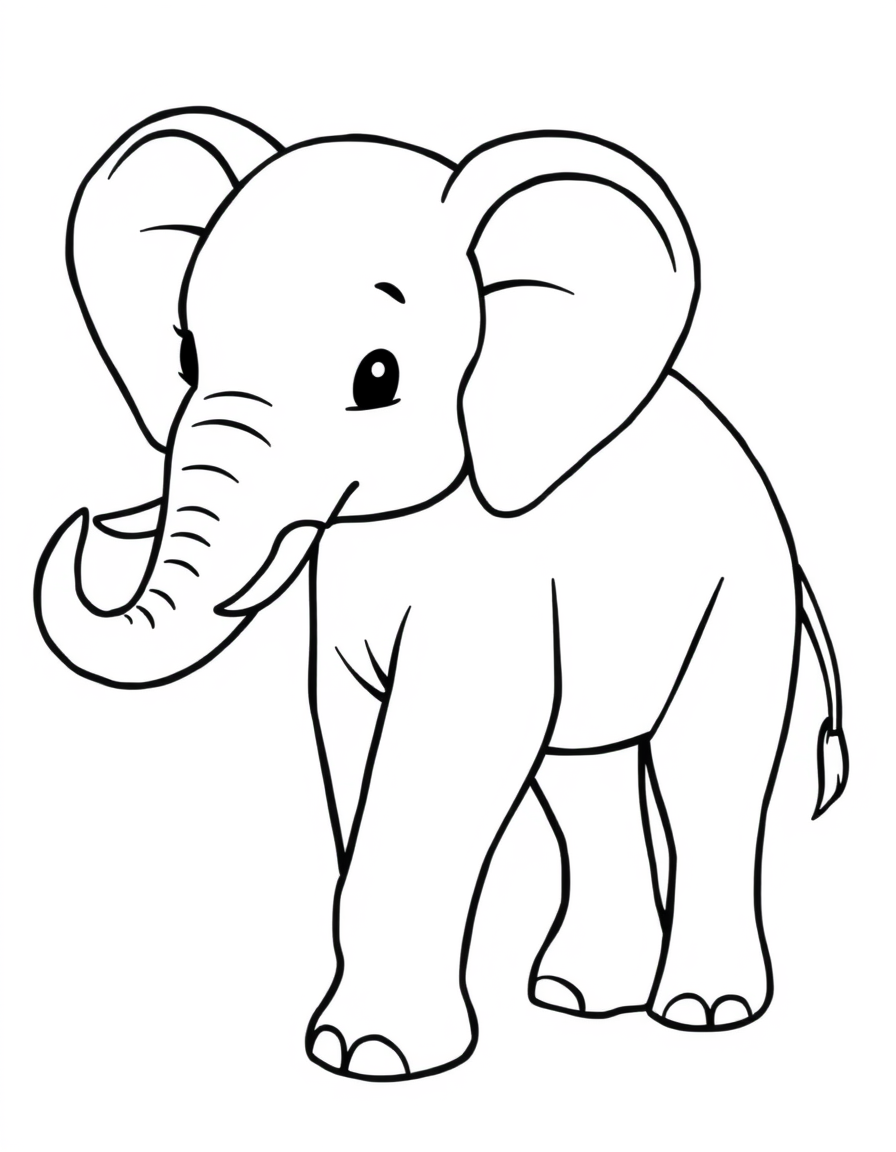
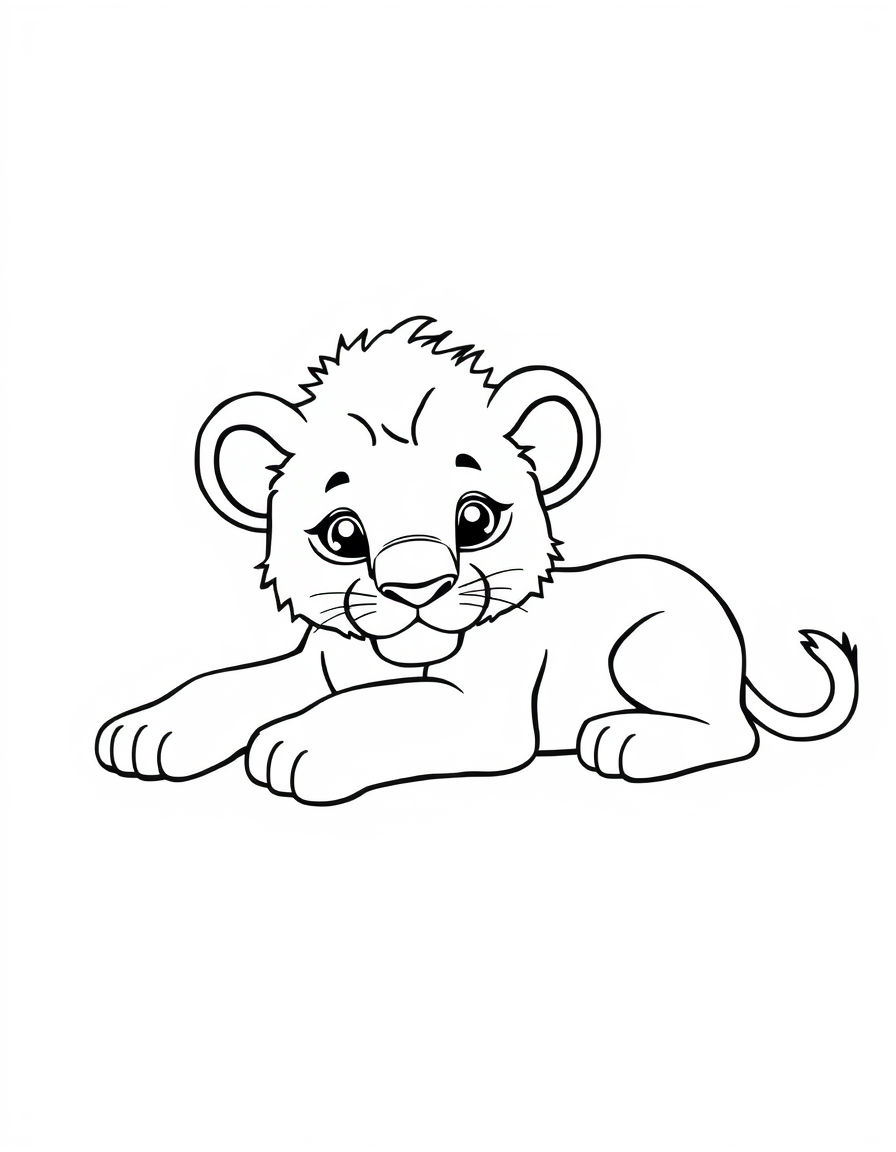
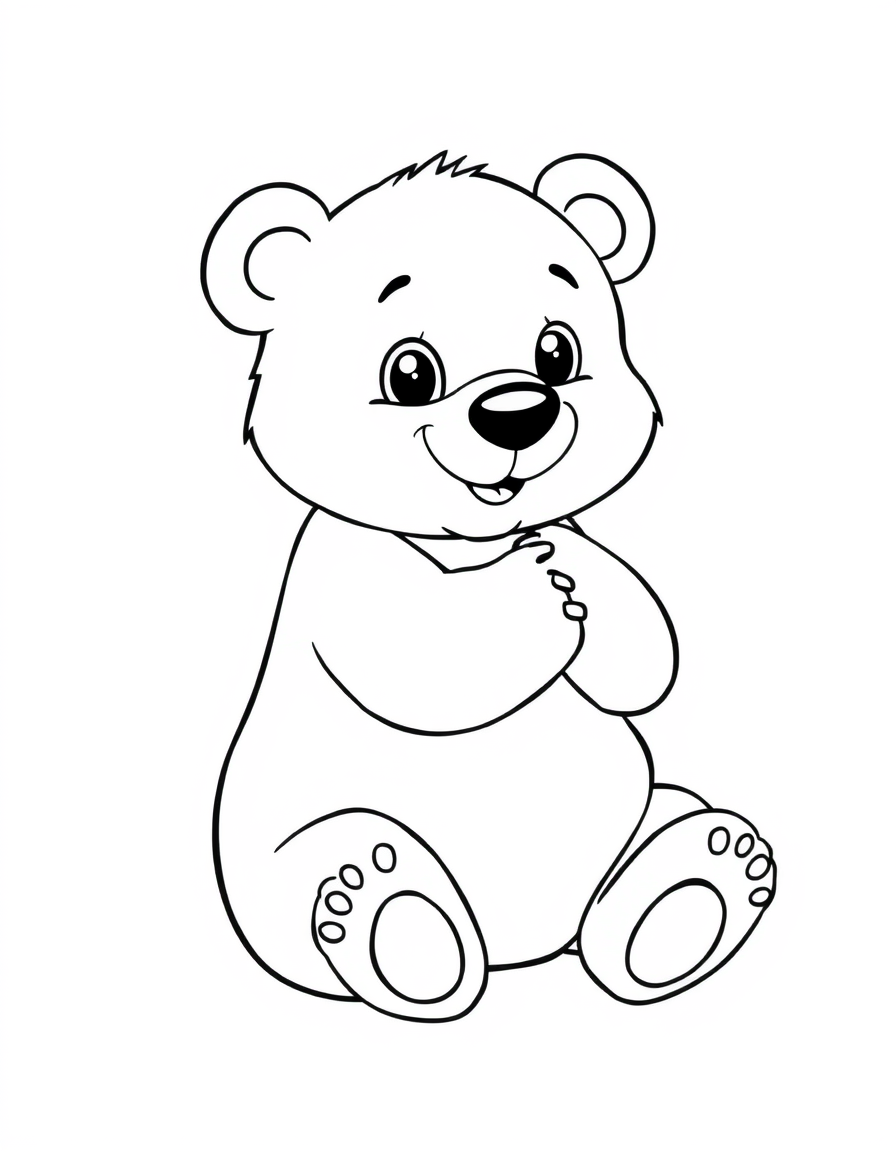
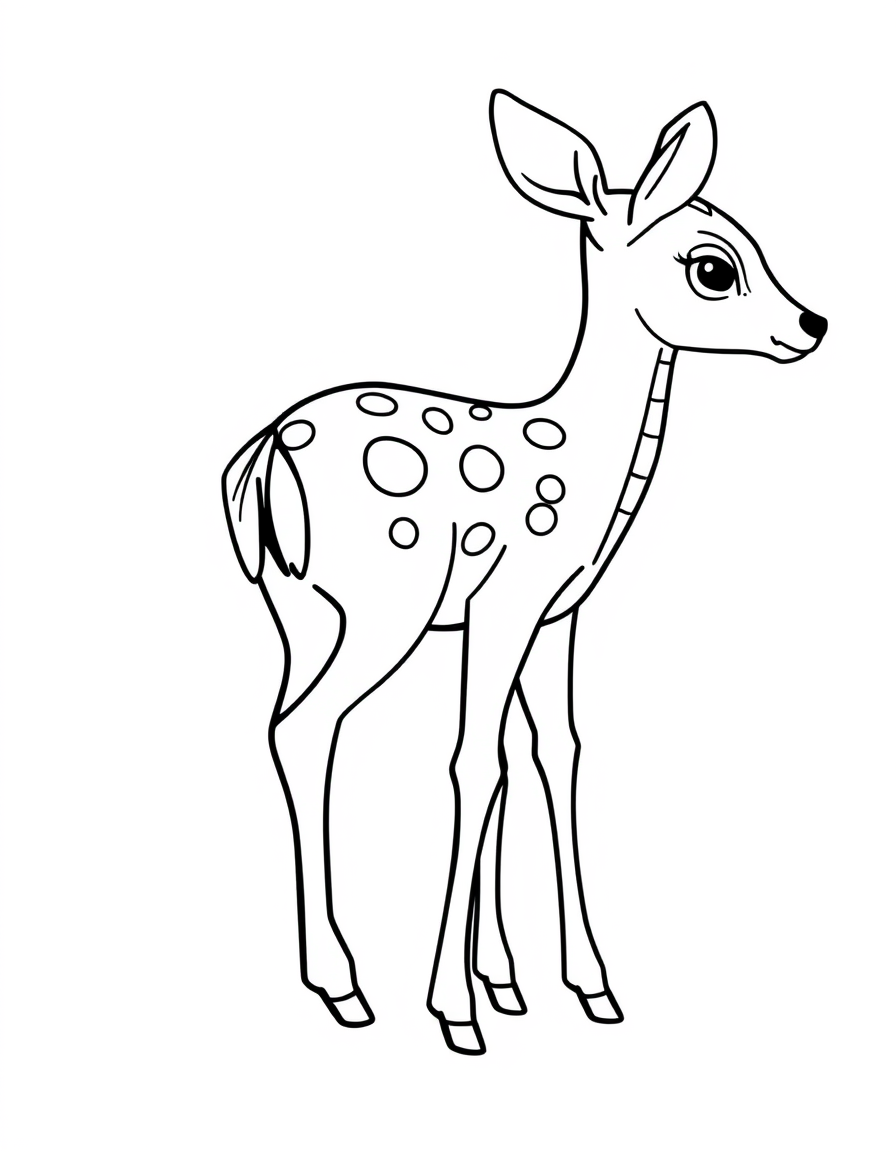
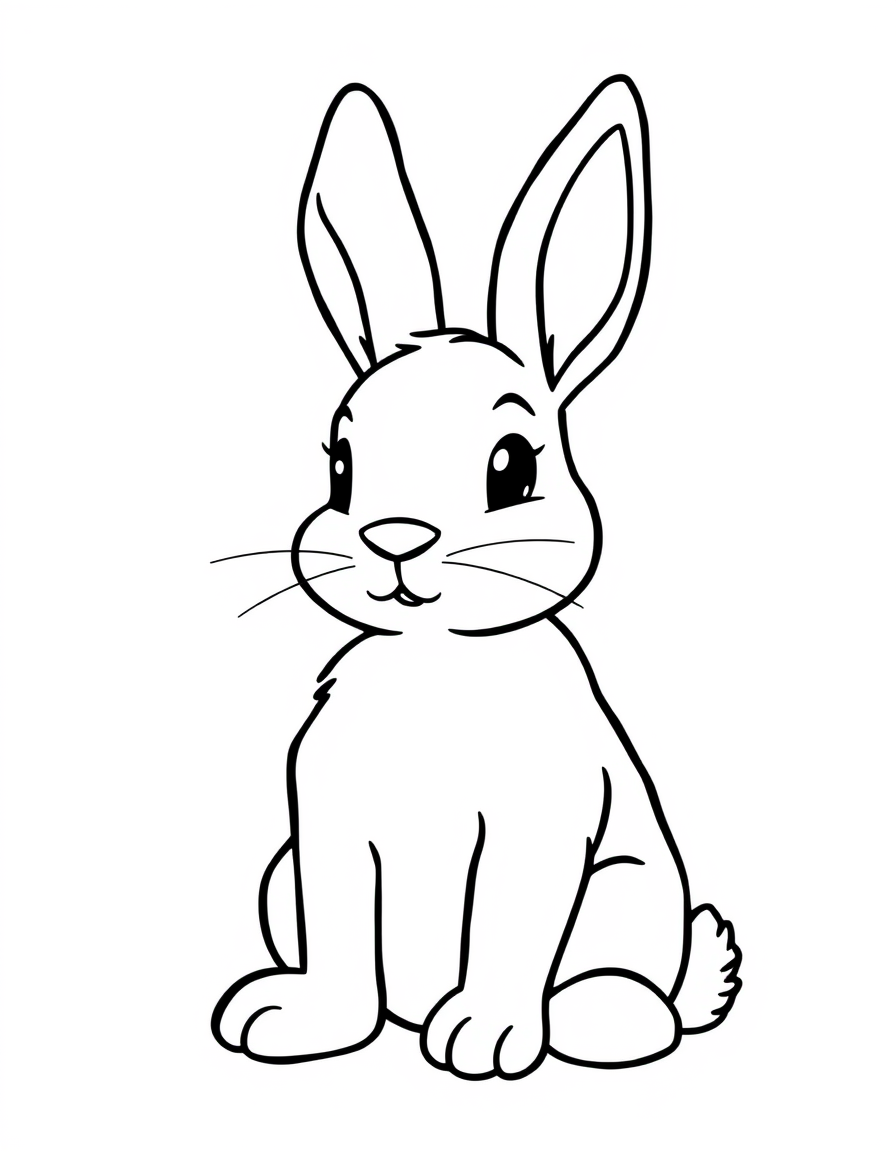
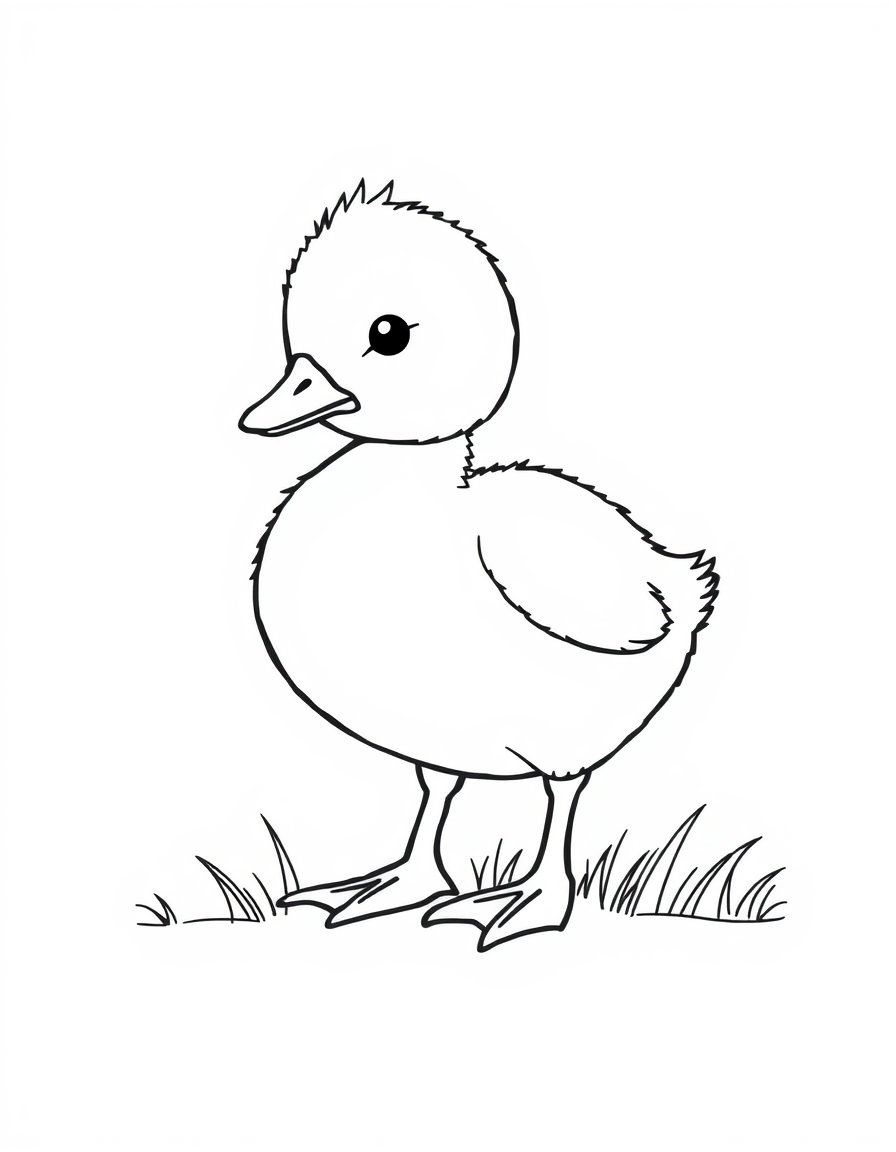
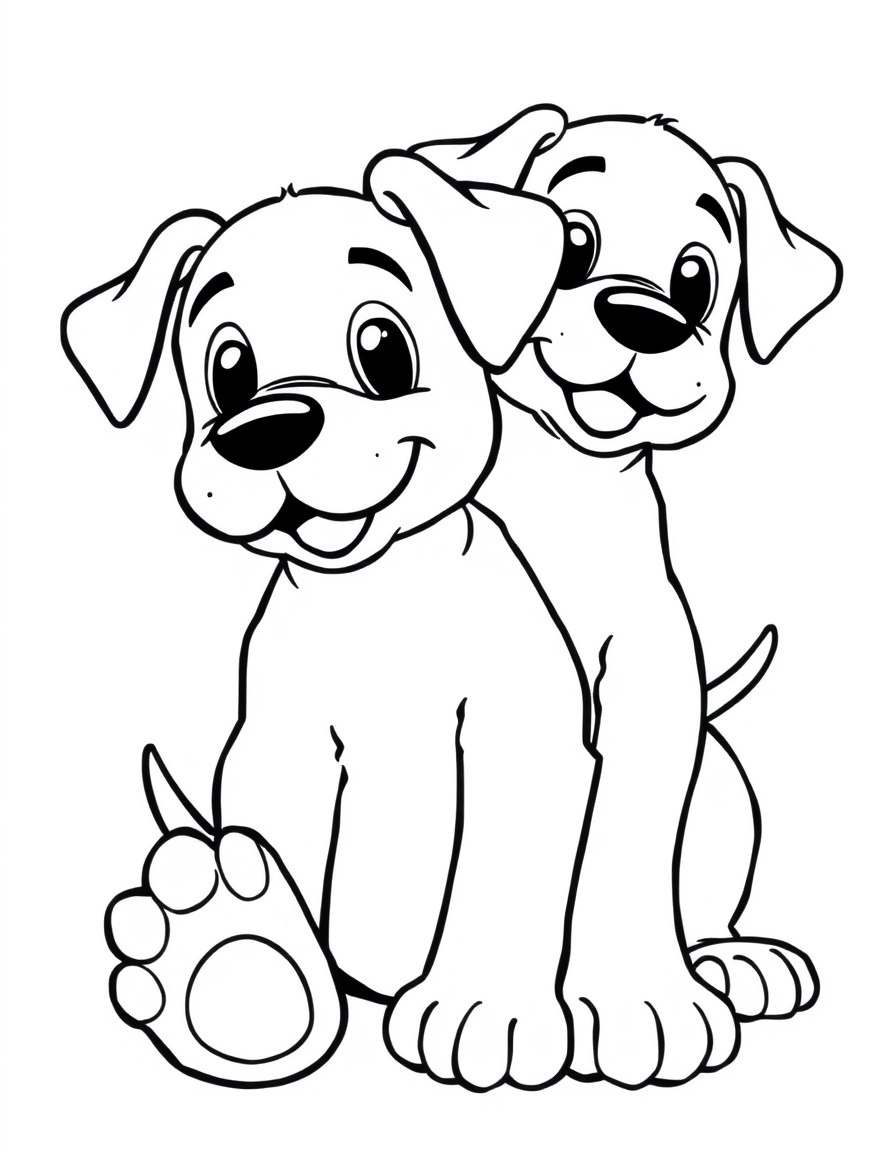
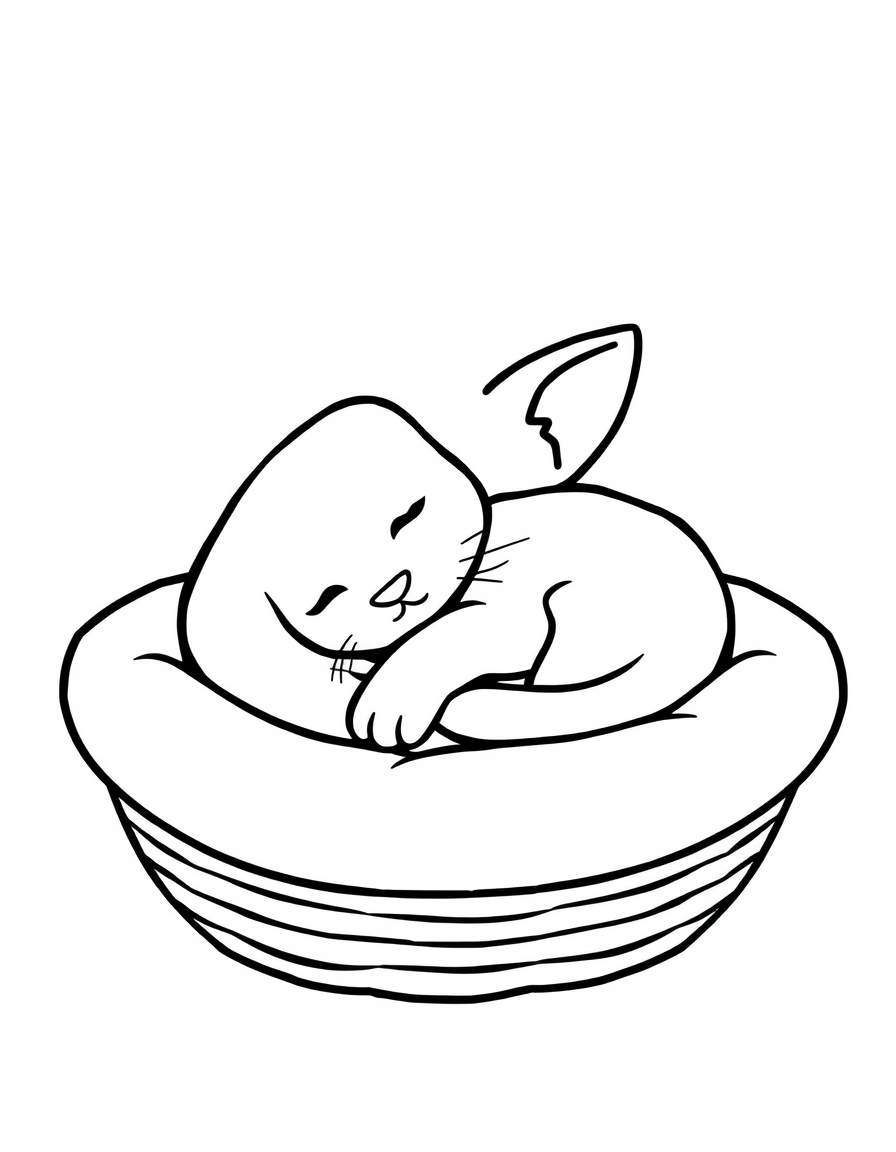
Baby animal coloring pages work because every young animal shares one set of proportions. The head is too large for the body, the eyes sit low and wide in the face, the muzzle is short, the legs are stubby and the feet look borrowed from an adult. Biologists call the pattern neoteny. It is the reason a fawn, a kitten and a duckling all read as young even though they come from three different classes of animal, and it is what this collection is built on.
The set gathers 14 young animals in one place. From the house and the farm come a sleepy kitten curled up in a basket, two puppies with oversized paws, a bunny sitting upright on its haunches, two lambs in a grassy field, a chick pushing out of a cracked egg and a foal beside a fence post. From the wild come a bear cub, an elephant calf with a curled trunk and a penguin chick in fluffy down. Every one downloads as a free printable baby animal coloring sheet in PDF, sized for US Letter paper, with no sign-up and no account.
Line weight decides whether a sheet works for a small child. A two year old grips a crayon in a fist and cannot track a hairline, so these pages use a heavy outer contour and keep interior detail to the few marks that carry the animal: the spots along a fawn's spine, the tuft on a lion cub's tail, the eye patches on a panda cub, the down that stands up on a duckling's head. That restraint is what separates baby animal coloring pages for toddlers from a detailed adult sheet wearing a cute subject.
Real coloring is easier when the animal gives you something to aim at. The spotted fawn carries white spots in loose rows down the back and flanks, and those spots fade by about four months, so a spotted fawn is a young one by definition. The lion cub is born with faint rosettes on its legs and belly that vanish as it matures, so a few ghost markings on the cub are accurate rather than a mistake. Ducklings are not all yellow, so the duckling sheet takes either scheme: a Pekin duckling is bright yellow, while a mallard duckling is brown and buff with a dark stripe through the eye. Piglets come pink, grey, black or belted depending on the breed. The panda cub is born pink and almost hairless, and the black and white pattern only fills in at around three weeks, so the finished mask on this one tells you it is well past its first month and old enough for the bamboo it is chewing.
Two of the sheets put a pair of animals on one page, the puppies and the lambs. Both are worth saving for a child who has stopped pressing straight through the paper, because a pair only stays readable if each animal gets its own coat. Give one a warm tan and the other a cool grey, then leave a thin uncolored gap along the line where the two bodies overlap. The gap does the work an outline would do.
For cute baby animal coloring pages beyond this set, the sibling collections cover the same ground at more depth: Puppies for one breed at a time, Pandas for the black and white pattern in full, Elephants for calves alongside adults, plus Cats and Farm Animals.
Frequently Asked Questions
Which baby animal coloring pages suit a two year old?
Start with the sheets where a single animal fills most of the page: the duckling, the bunny, the piglet and the penguin chick. Each keeps the animal as one large closed shape, which is the only thing a two year old can reliably fill. Save the two pair sheets and the fawn for ages four and up, since both ask the child to keep separate areas apart.
Should I color the spots on the fawn?
Yes, and leave them white. A fawn's spots are unpigmented patches in an otherwise reddish-brown coat, arranged in irregular rows along the spine and scattered across the flanks. Color the coat around them and skip the spots entirely. Filling them in with white crayon over brown will muddy the page, so plan the spots before the first stroke.
What is the difference between these and the puppy or cat pages?
The Puppies and Cats collections go deep on one animal and include detailed sheets with fur texture and multiple figures. This set goes wide instead, one sheet per species, and holds every page to a thick simple outline. If a child wants fourteen different animals rather than fourteen different dog breeds, this is the set to print.
Do the pages print on A4 paper?
Yes. Every PDF is laid out for US Letter, which is slightly wider and shorter than A4. Choose "fit to page" or "shrink oversized pages" in your print dialog and the full image lands inside the A4 margins with a little extra white space at the sides.
Are these baby animal coloring sheets free?
Yes. All 14 are free to download and print for personal, classroom and library use, with no account and no email required. Printing a class set is fine. Reselling the files or the printed sheets is not.