Alphabet Coloring Pages
Free printable alphabet coloring pages covering all 26 letters from A to Z, each sheet pairing a capital and lowercase letter with a matching picture.
Create a Custom Coloring Page
Describe what you'd like and we'll generate it free, no account needed
Family-friendly only · 1 free per day
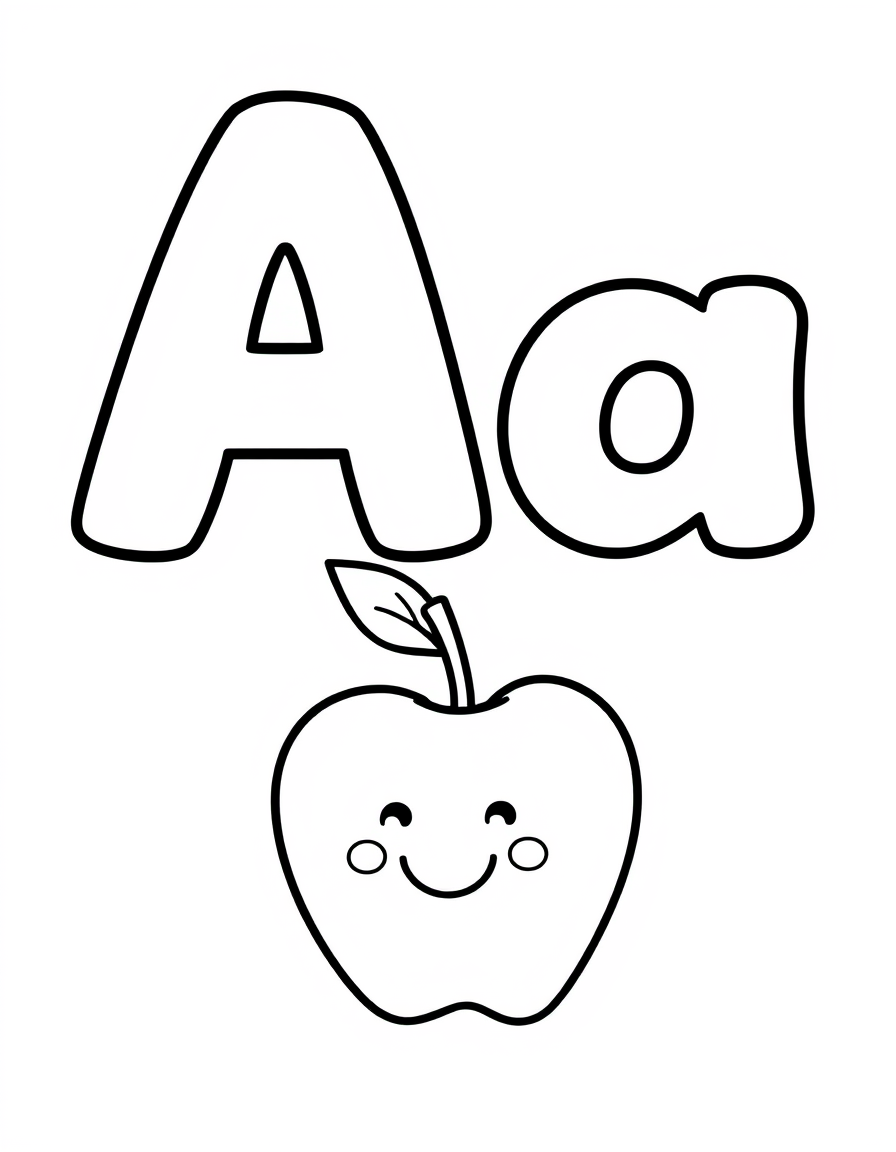
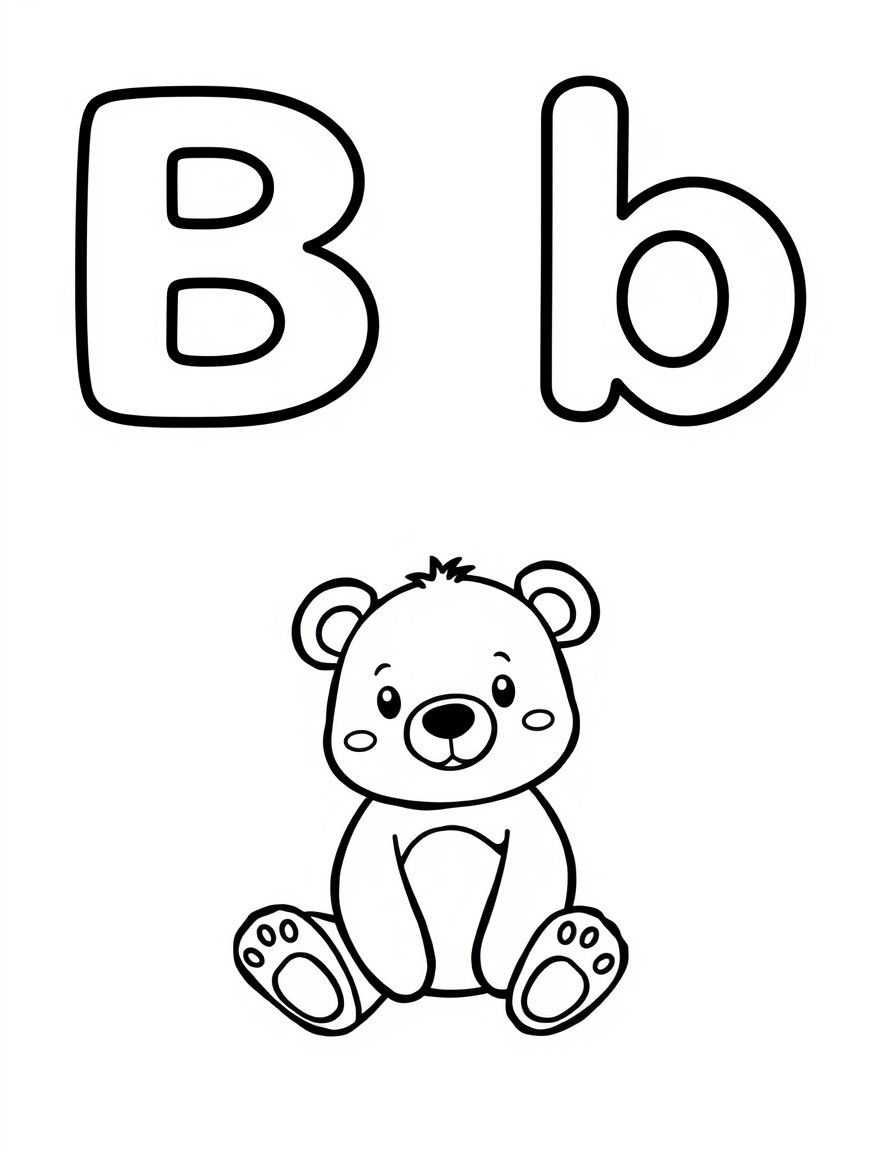
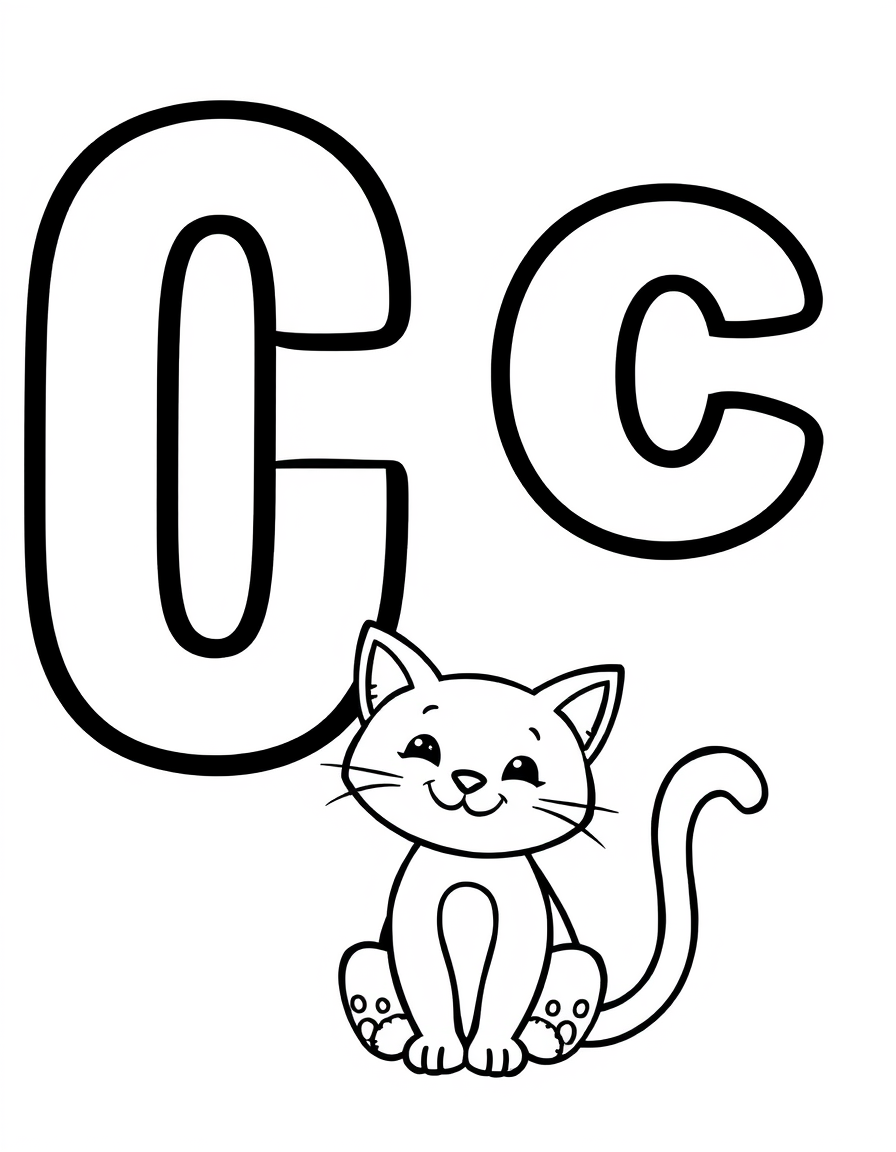
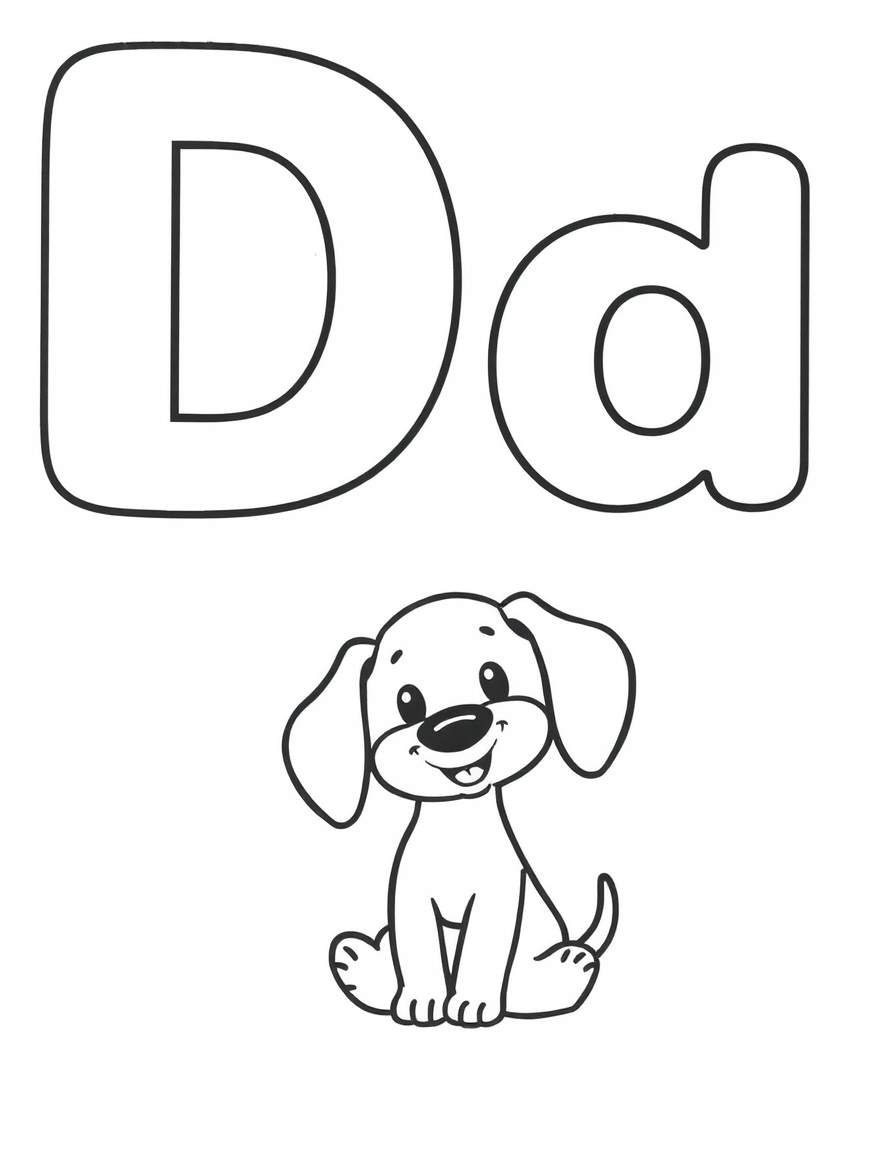
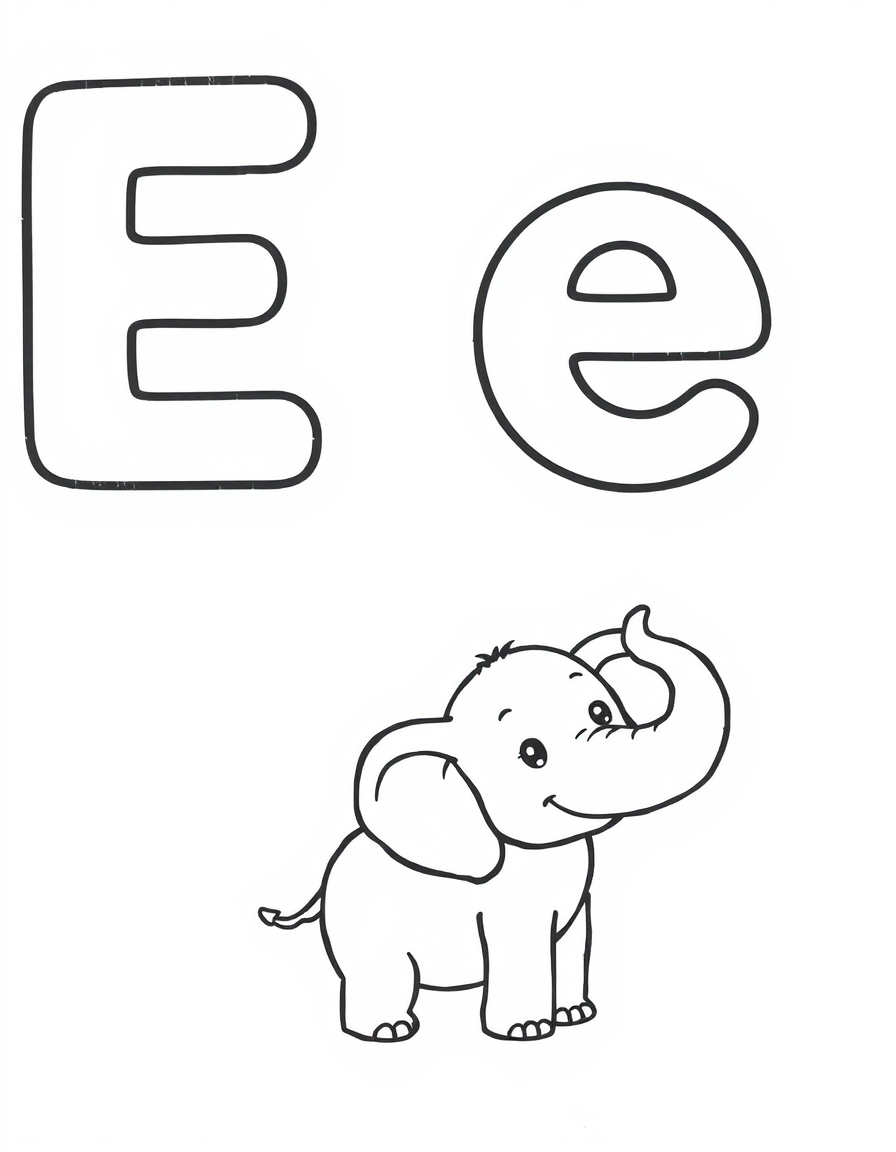
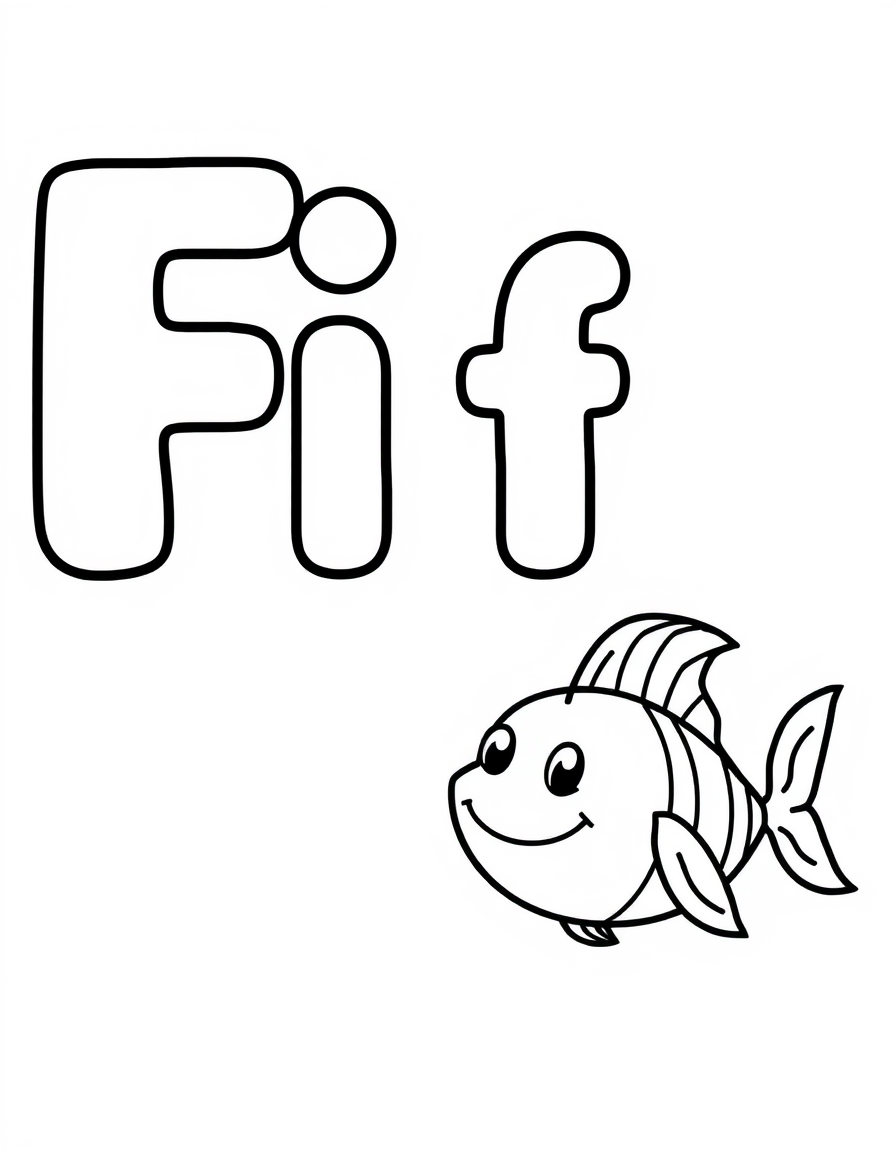
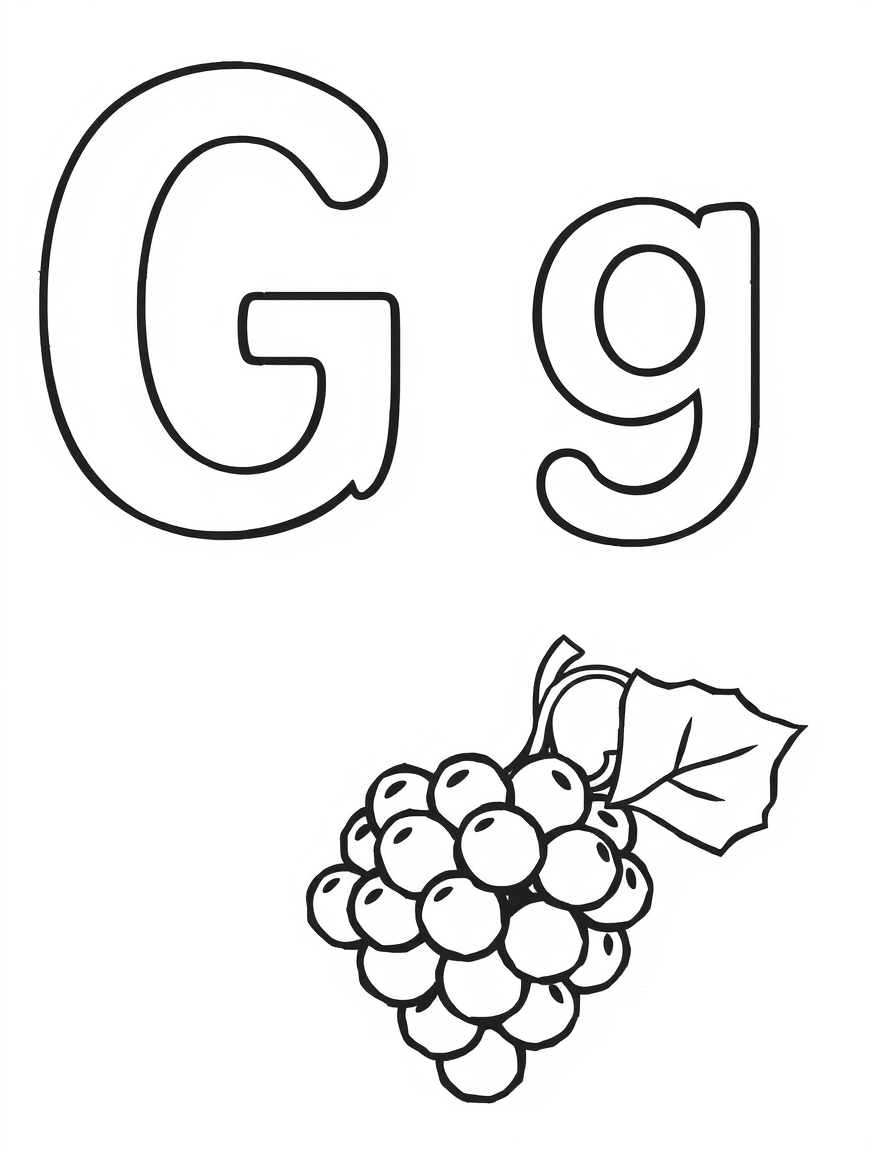
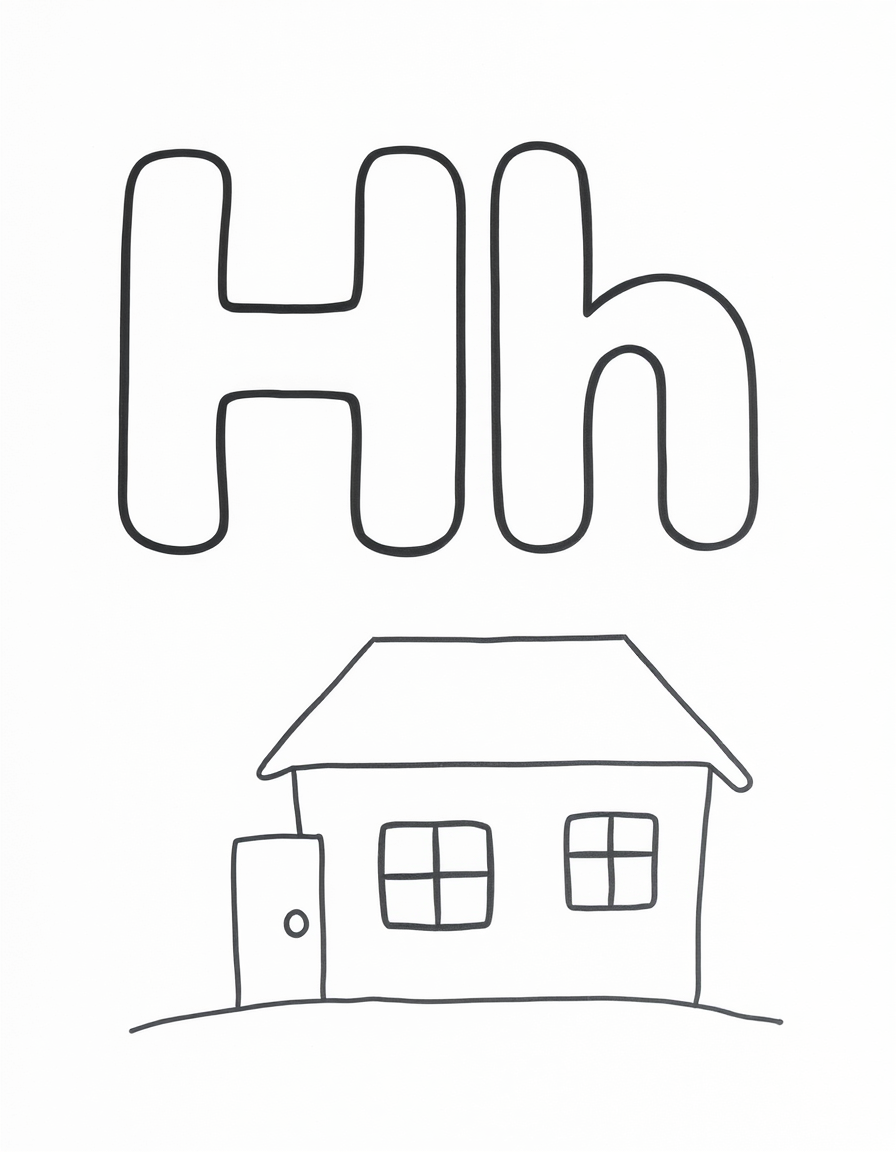
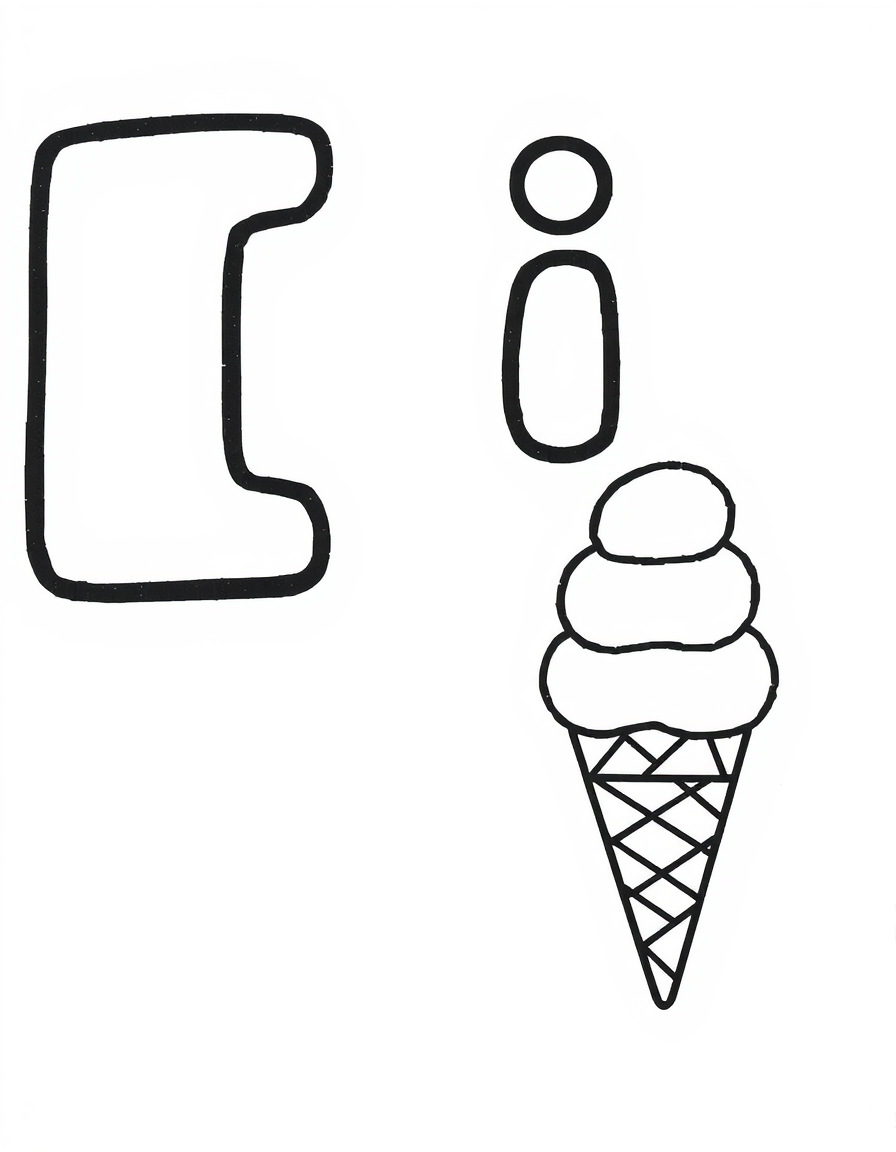
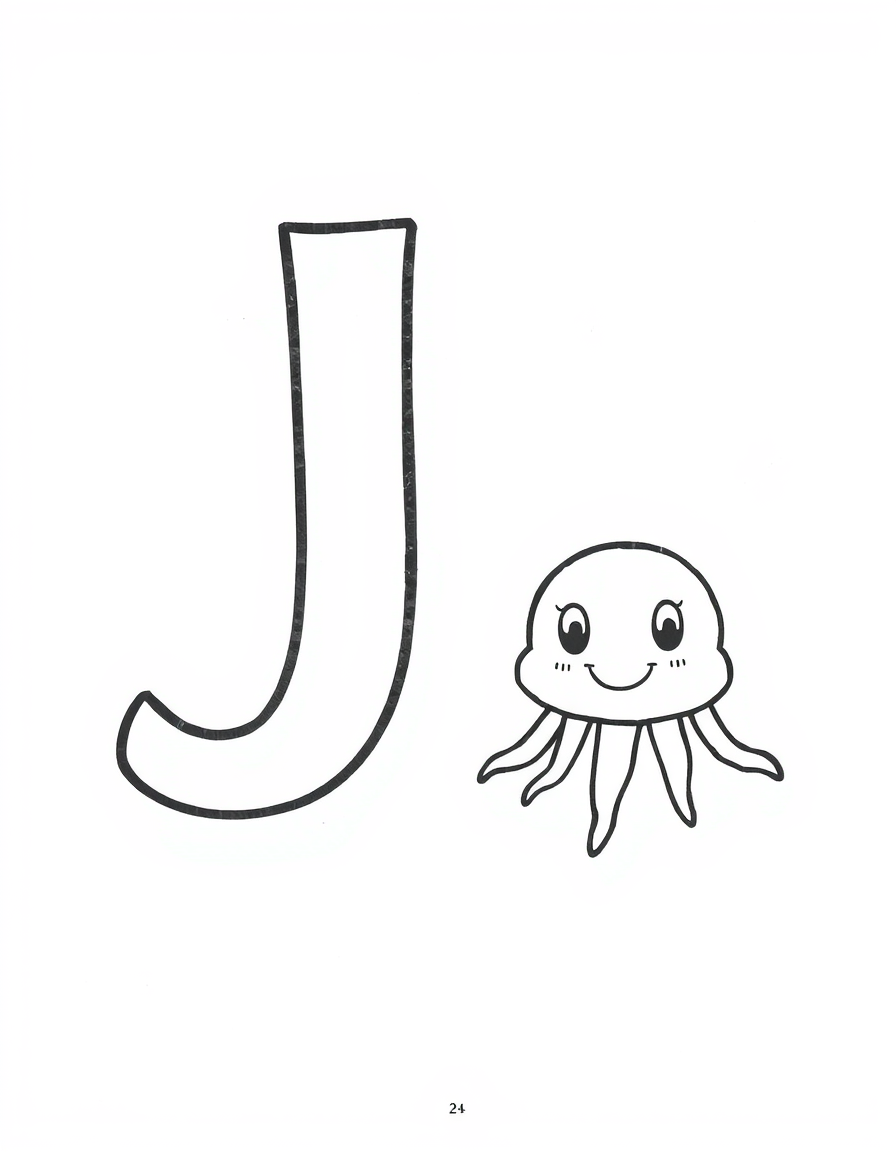
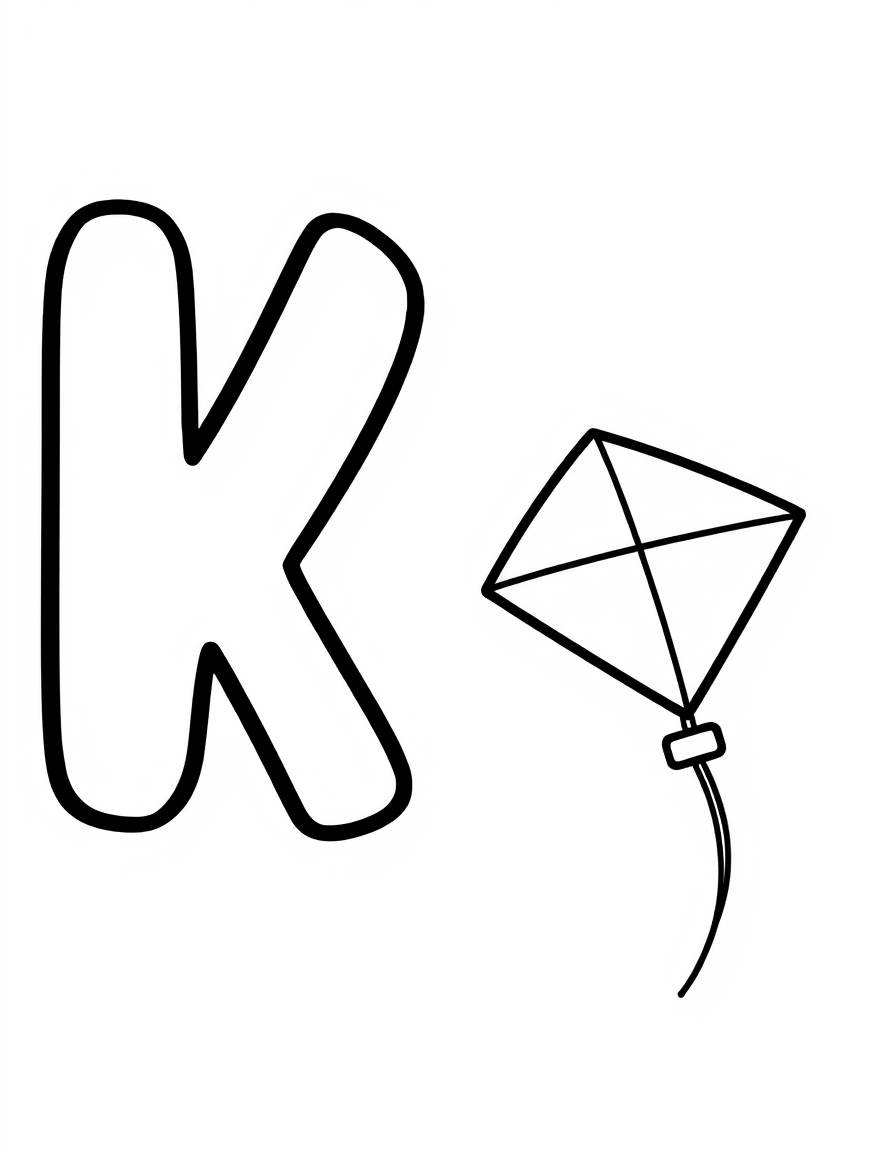
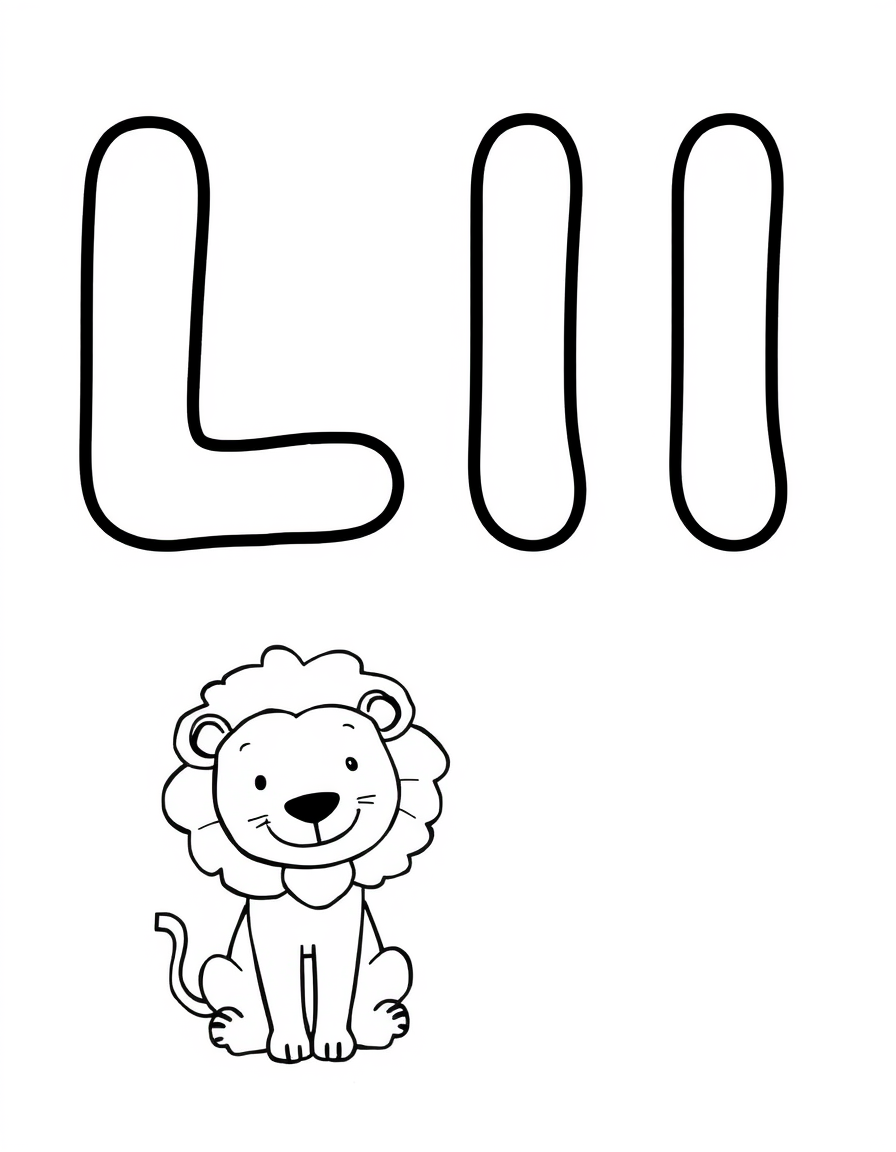
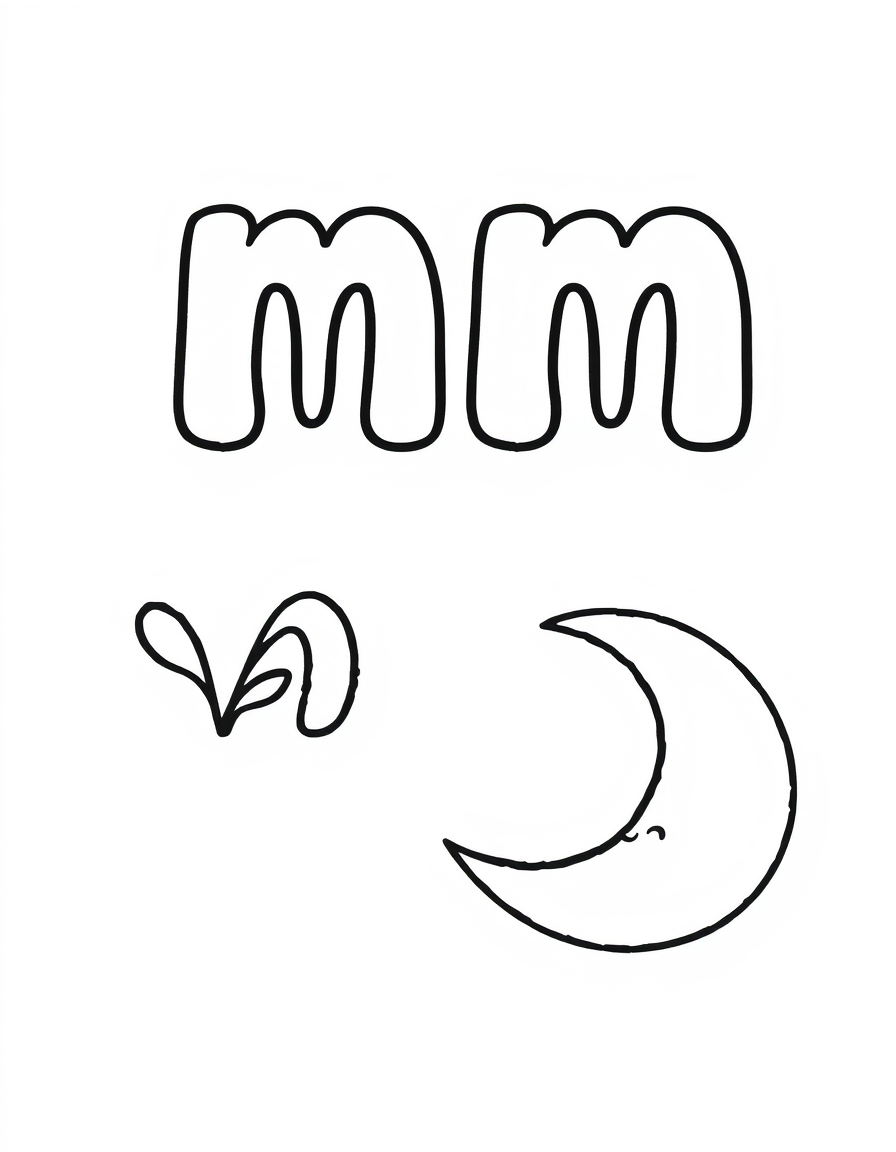
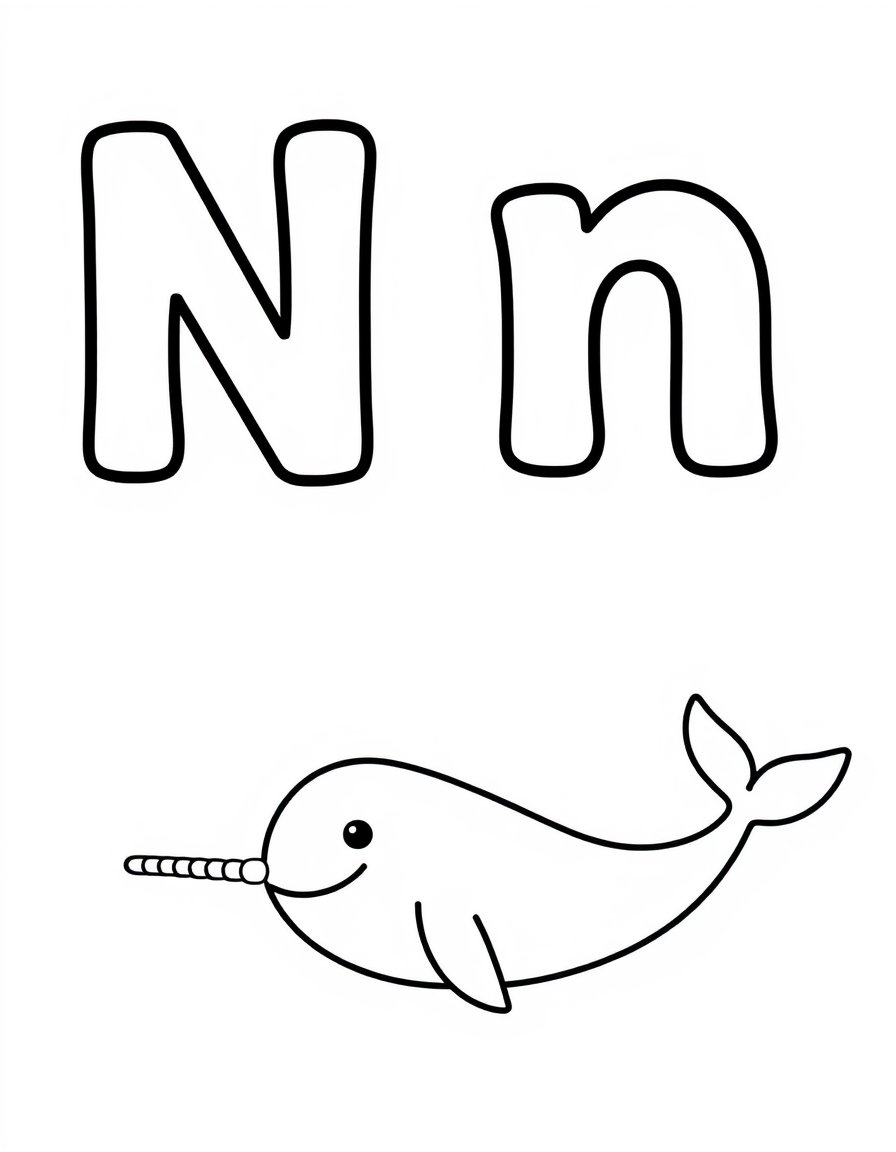
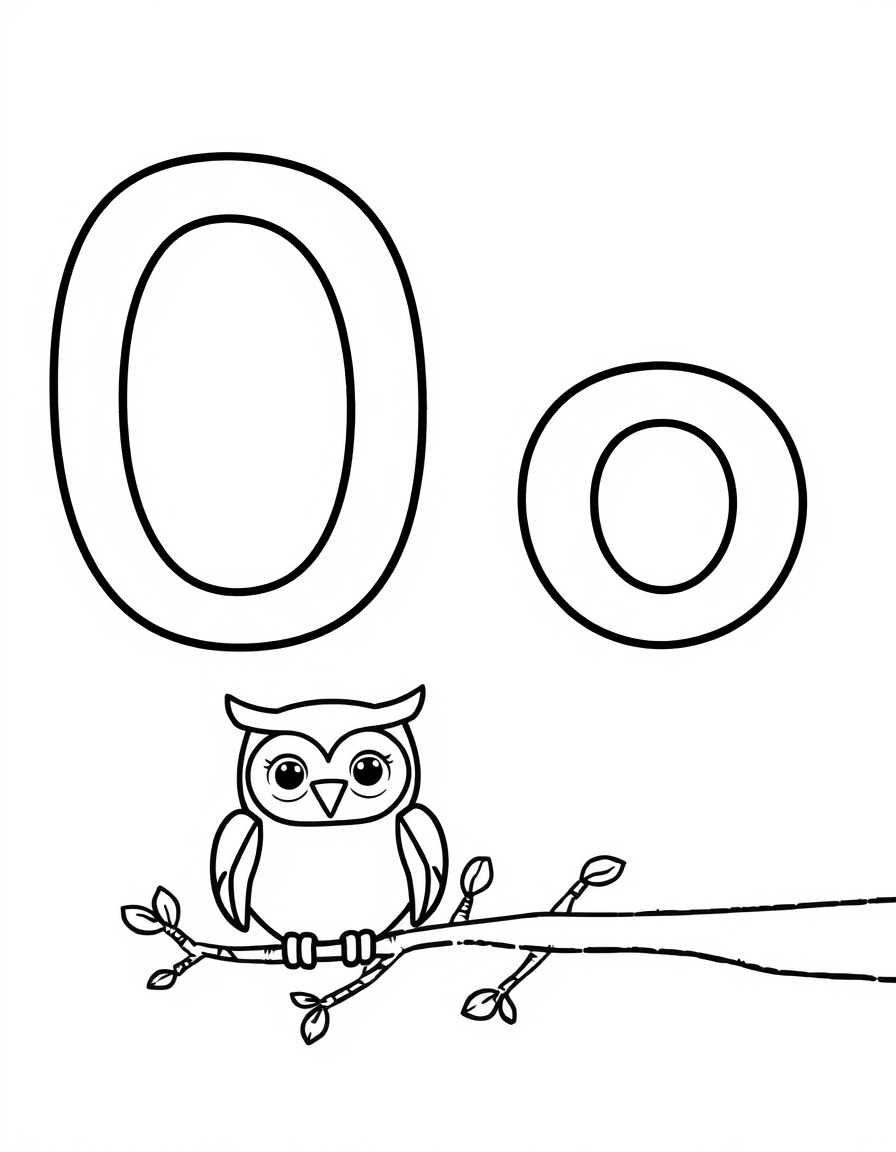
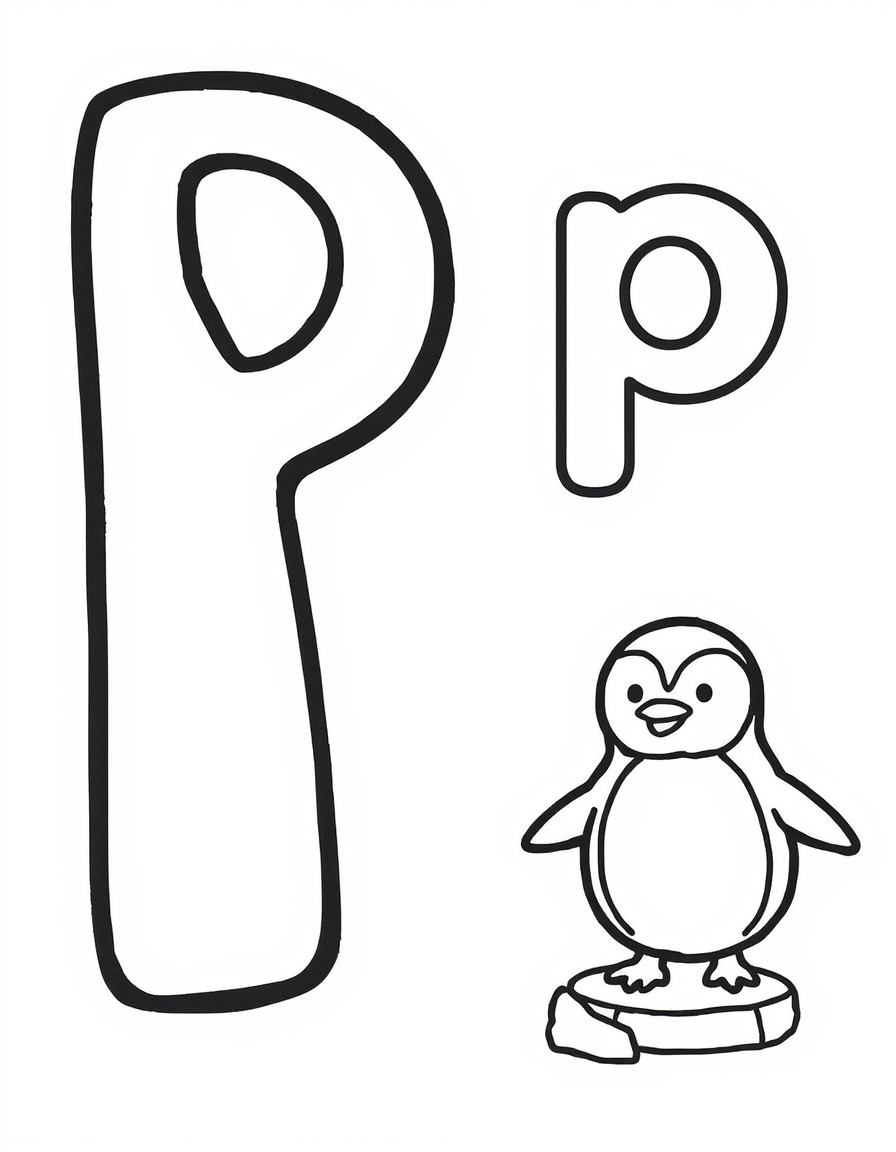
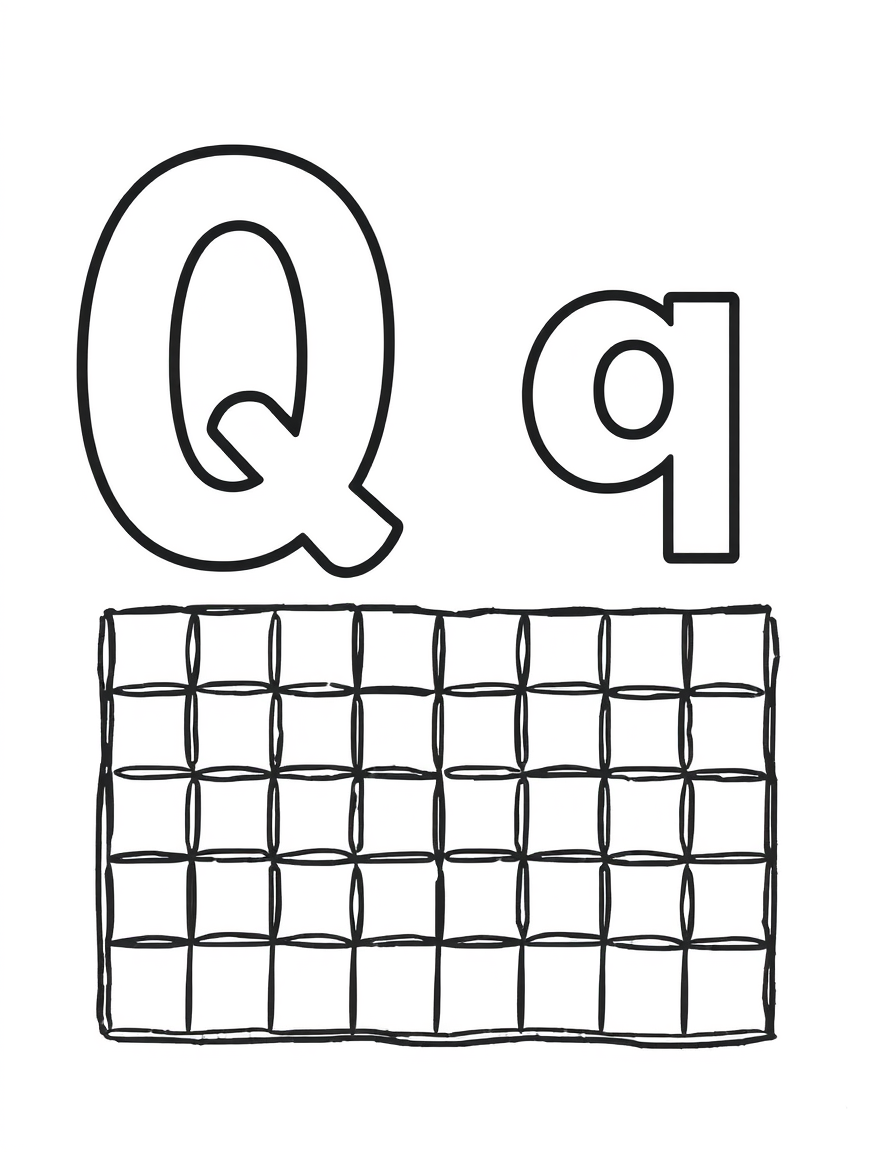
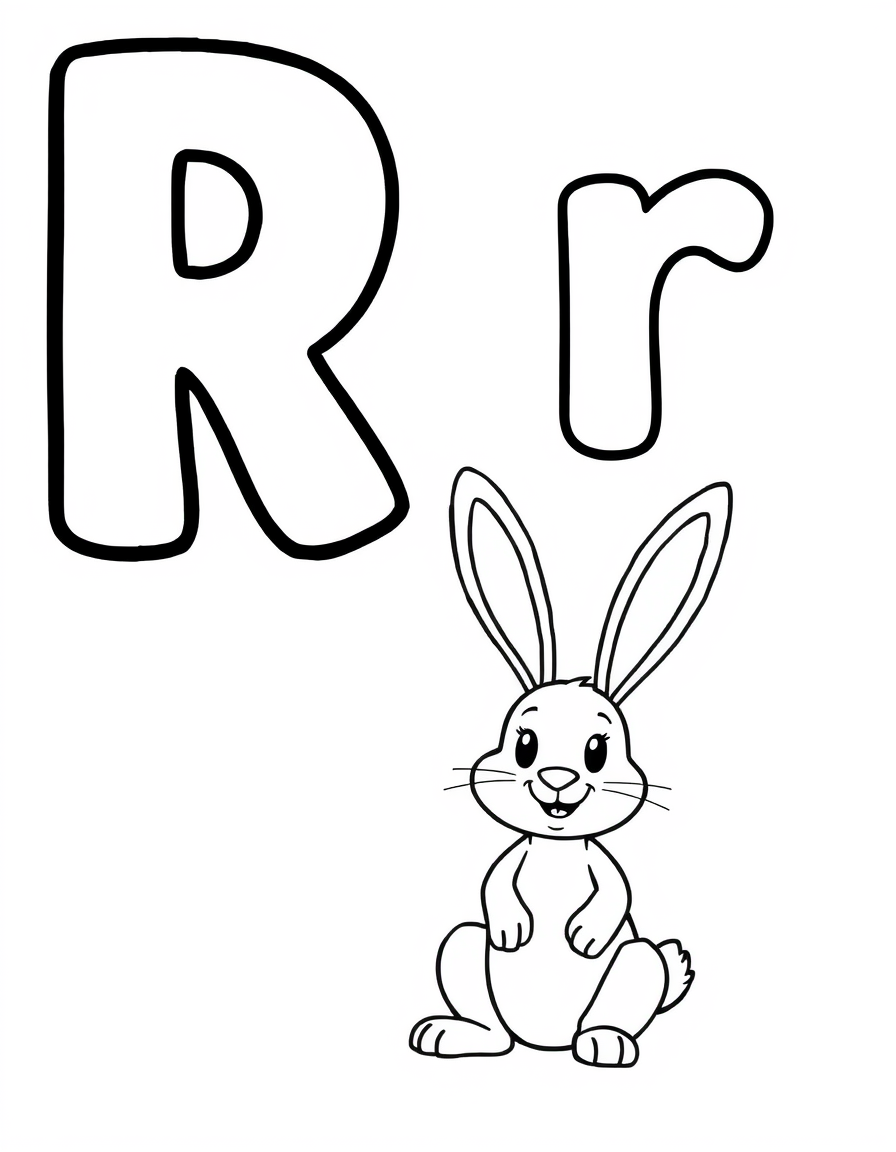
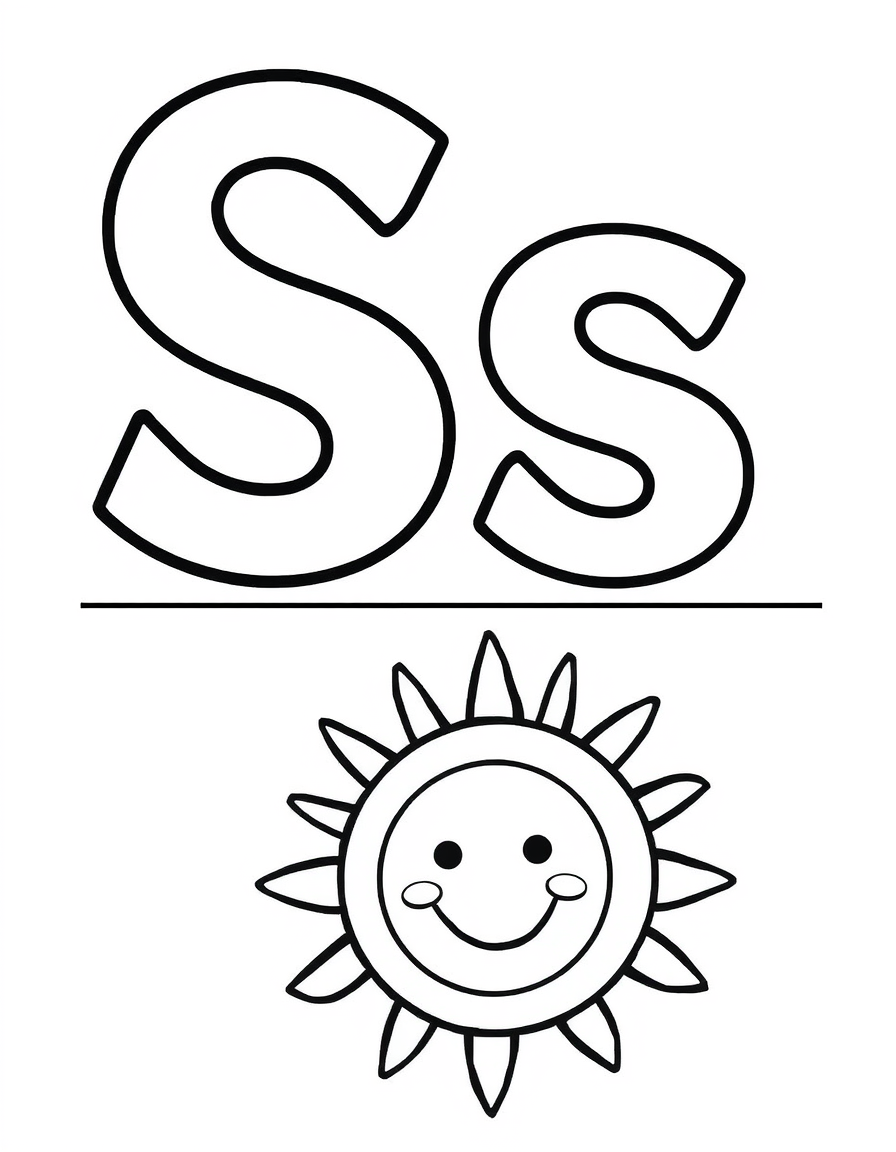
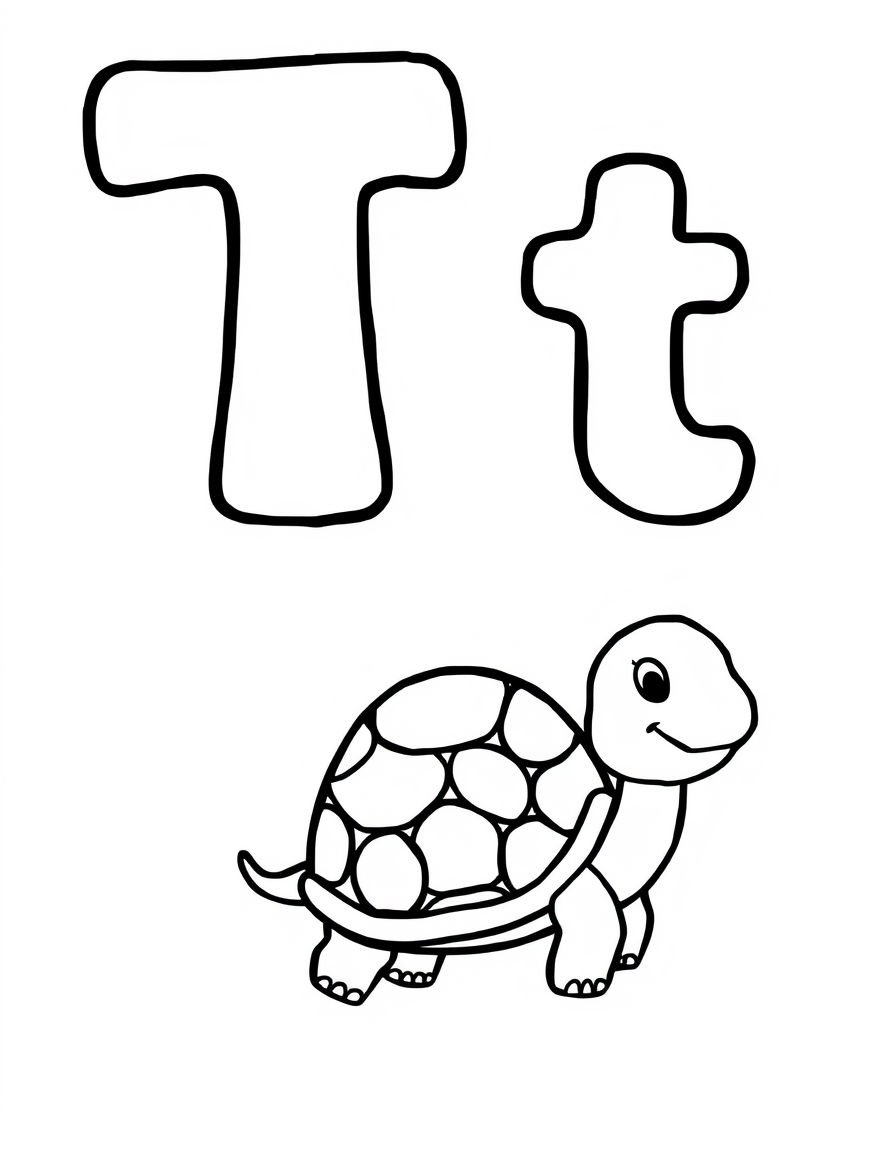
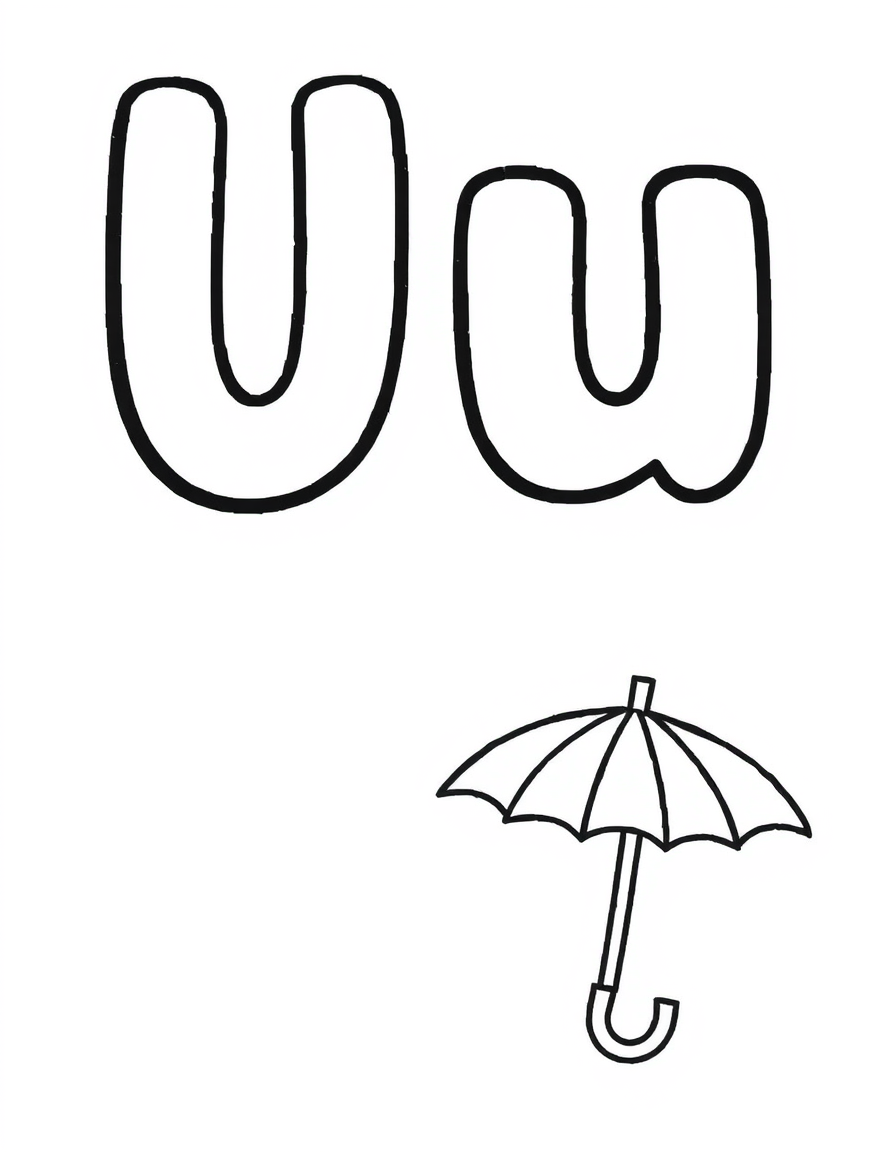
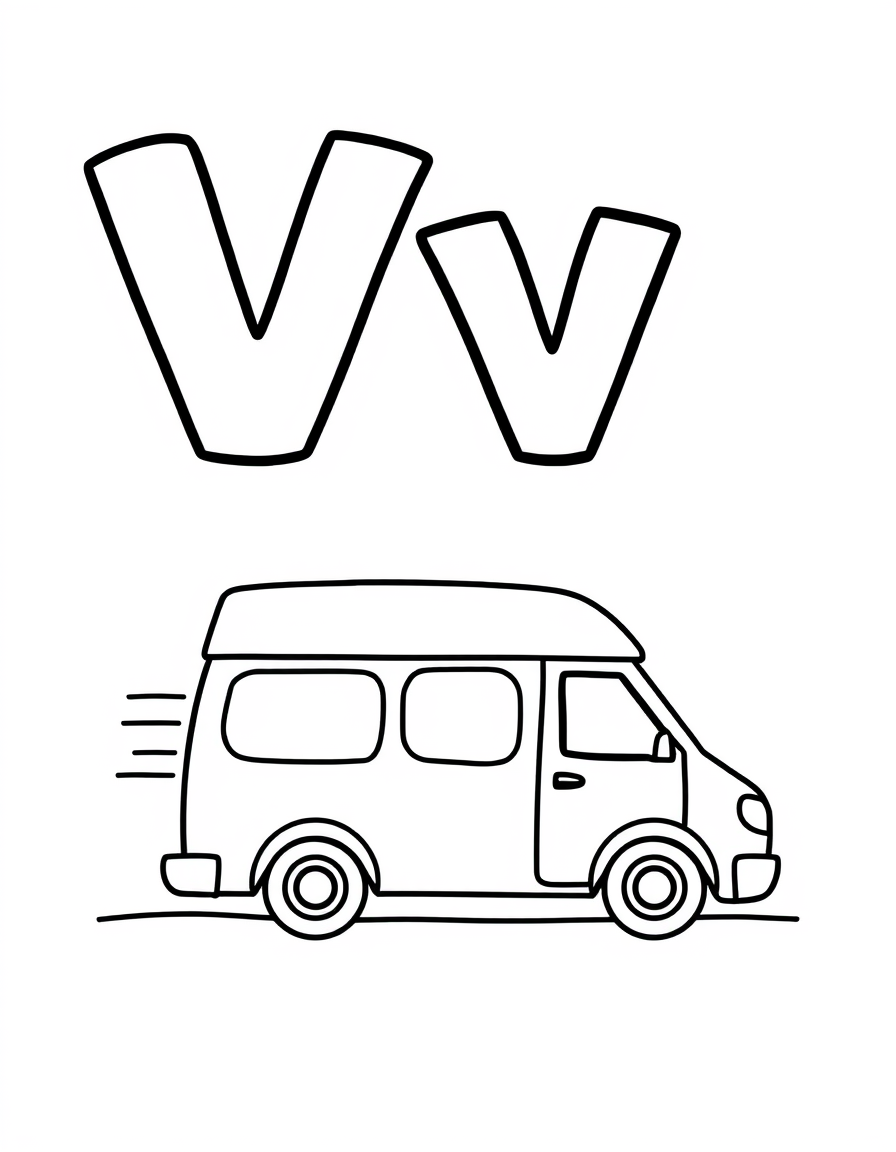
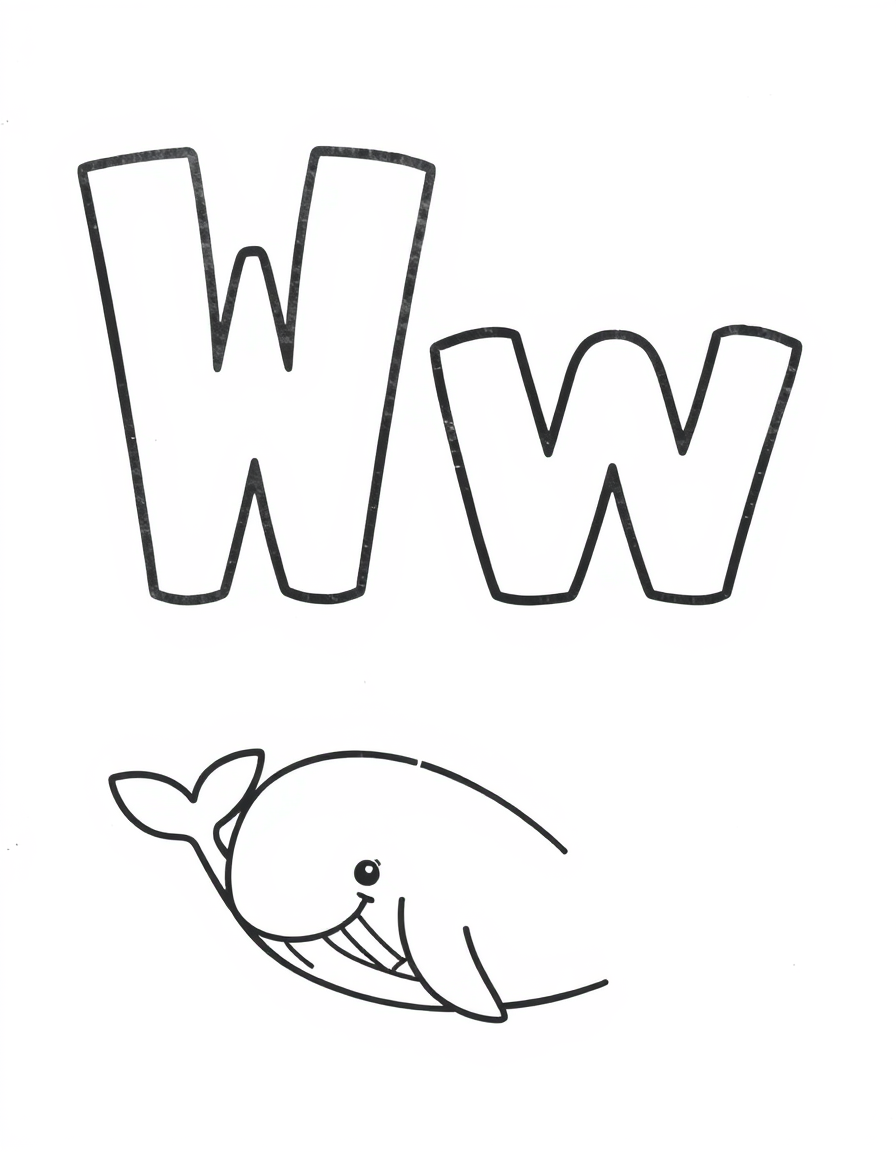
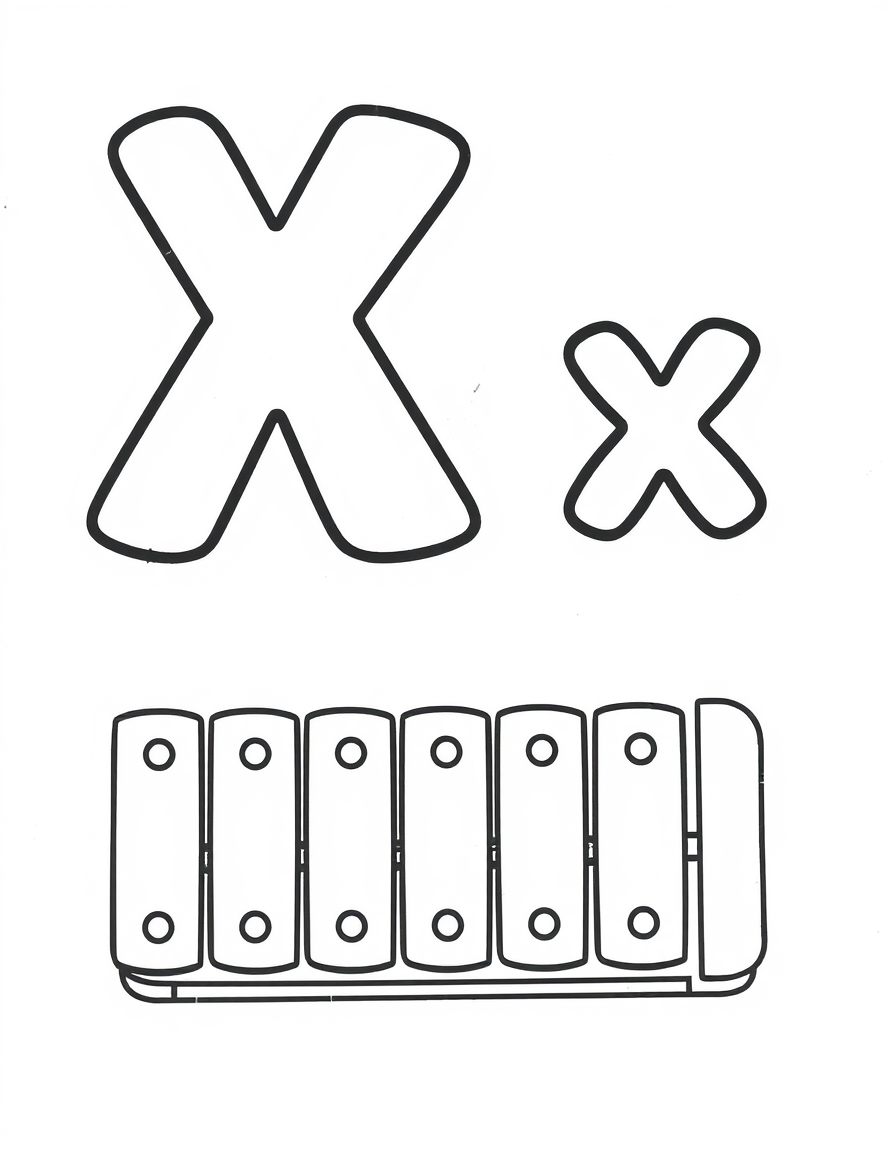
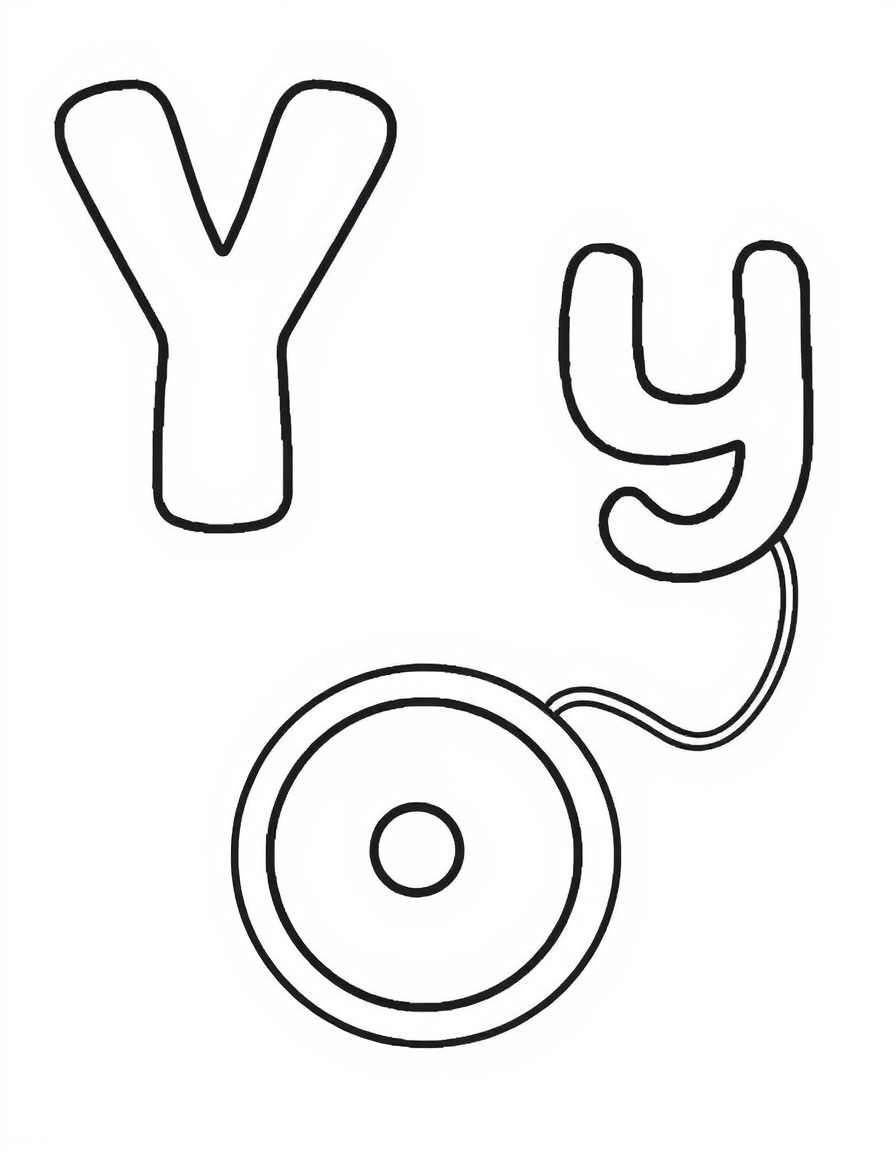
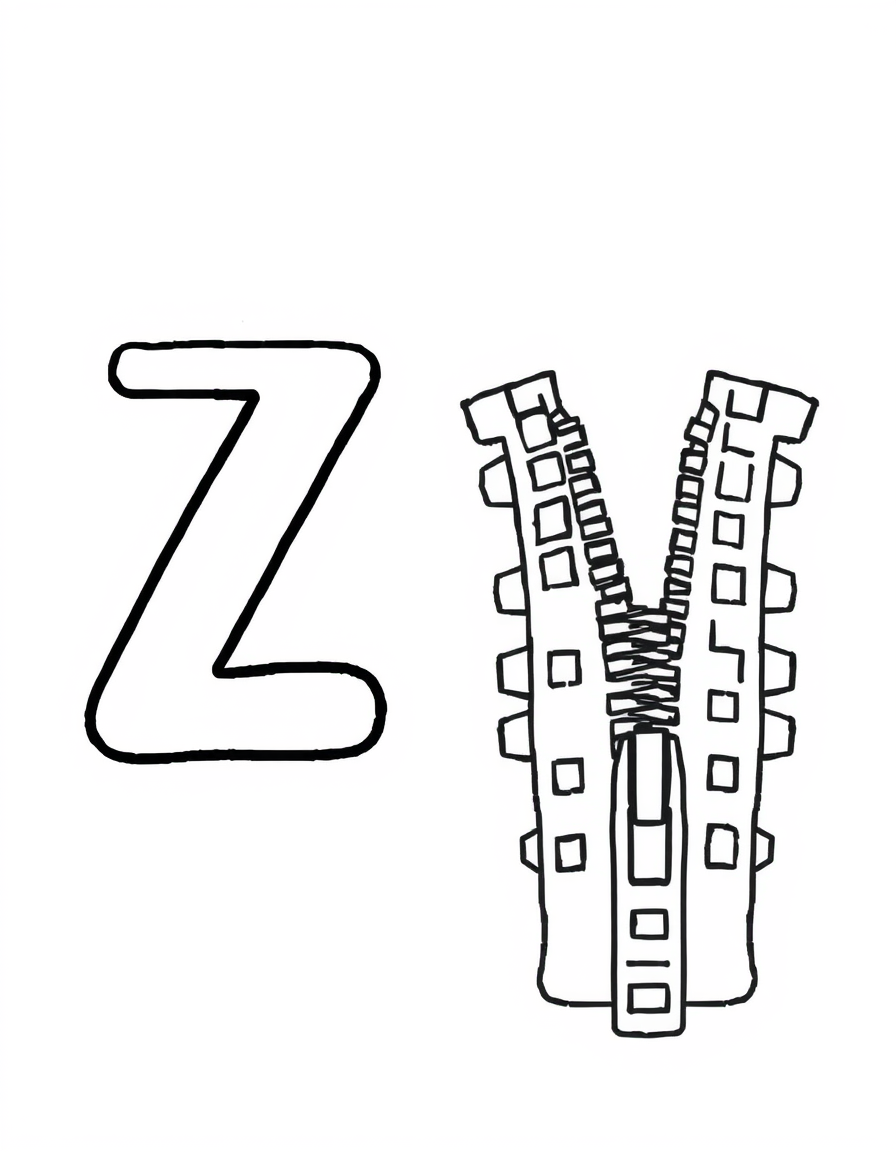
Every letter of the alphabet gets its own sheet here, from A right through to Z. Each one pairs a capital and a lowercase letter, drawn as big hollow shapes with thick outlines and nothing but white paper inside, with a picture underneath that starts with that letter. A is for apple, M is for moon, X is for xylophone. Print the whole set as a book, or pull out the single letter a child is working on this week.
The sheets are built for small hands. The letters are large enough that a three year old can fill one in without leaving the line, and the picture below gives a reason to keep going once the letters are done. Every page downloads as a US Letter PDF, so it prints on ordinary paper straight from a home printer with no resizing.
Why one letter per page works better than an alphabet chart
Most free alphabet printables give you all twenty six letters on a single sheet. Those are useful as a wall poster, but they are poor colouring. The letters end up too small to fill in properly, and a child who is still learning to control a crayon gets no satisfaction from a shape half an inch tall.
Giving each letter its own page changes what the activity does. The letter becomes the subject rather than an item in a grid, and there is room to make it big. It also lets a child work at their own pace, one letter at a time, which is how most preschool and kindergarten programmes actually teach the alphabet. Nobody learns all twenty six at once.
Both cases on every sheet
Each page shows the capital and the lowercase form side by side. That pairing is deliberate. Children usually meet capitals first because they are simpler to draw, then have to learn a second shape for the same letter, and some of those second shapes look nothing like the first.
The pages where this matters most are the ones where the two forms diverge. Compare the letter R sheet, where the capital has a bowl and a leg and the lowercase is just a post with a small shoulder, or the letter E sheet, where a capital made of four straight lines becomes a lowercase built from one continuous loop. Working both forms in the same sitting, on the same page, is a practical way to fix the pairing in place.
Some letters go the other way. C, O, S, V, W, X and Z keep the same shape and simply change size, so those sheets take less effort and make good pages to hand a child who needs an easy win.
Letters that get mixed up
Four lowercase letters cause most of the confusion in early writing: b, d, p and q. They are the same bowl and stem in four different arrangements, and children swap them constantly. All four have a page in this set.
Printing the letter B and letter D sheets together shows that the bowl moves from one side of the stem to the other. Printing the letter P and letter Q sheets together shows the same swap with the tail dropped below the line. Laying all four side by side on a table is more useful than any amount of correcting.
The other group worth teaching together is the letters that hang below the writing line: g, j, p, q and y. Each has its own sheet, and pointing out that they share one rule turns five separate problems into a single one.
How to use these pages
For a child just starting out, work in the order the letters matter to them rather than alphabetically. The letter their name begins with is almost always the first one they will recognise, so print that sheet first.
For classroom use, the set covers a standard letter of the week rotation with no gaps. Each page holds a child for long enough to be worth handing out, and the picture gives an obvious talking point for the sound the letter makes.
For home use, the PDFs mean you can print one sheet at a time without opening anything more complicated than a browser. Crayon, marker and coloured pencil all work. The outlines are heavy enough that they survive a photocopier if you need a stack of them.
Frequently Asked Questions
What age is best for alphabet coloring pages?
Three to six is the range these sheets are drawn for. At three most children are colouring the picture and treating the letters as shapes, which is fine and still builds recognition. At four and five they start connecting the letter to its sound, which is when the picture below begins doing real work. At six most children can copy the letter freehand after colouring it, so the page becomes handwriting practice. Older children who are still building pencil control get value from them too, because the large open areas do not demand precision.
Do I need to print all twenty six letters?
No. Each sheet is a separate PDF and works on its own. Most teachers print one letter per week and most parents print whichever letter a child is currently interested in. Printing the full set as a book is an option, not a requirement.
Why does each page show two letters?
The capital and the lowercase are two different shapes for the same letter, and children have to learn both. Showing them together on one page means a child colours both forms in the same sitting and sees them as a pair rather than as unrelated symbols.
Can I use these in a classroom or a daycare?
Yes. Print as many copies as you need for the children you teach. The sheets are free to download and print for classroom, daycare, library and home use.
What paper should I print on?
Ordinary printer paper is fine for crayon and coloured pencil. If children will use markers, heavier paper around 120gsm stops the ink bleeding through to the next sheet. The PDFs are sized for US Letter and print without scaling.