Number Coloring Pages
Create a Custom Coloring Page
Describe what you'd like and we'll generate it free, no account needed
Family-friendly only · 1 free per day
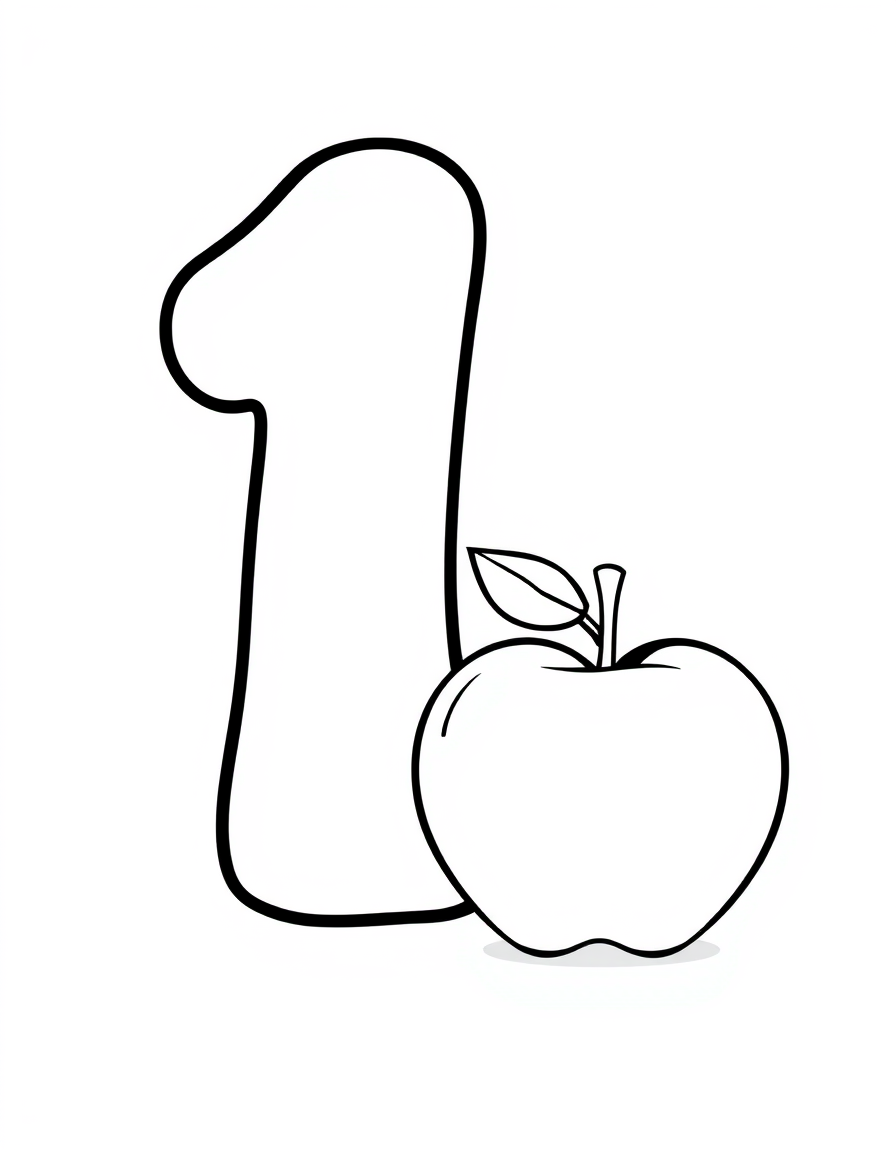
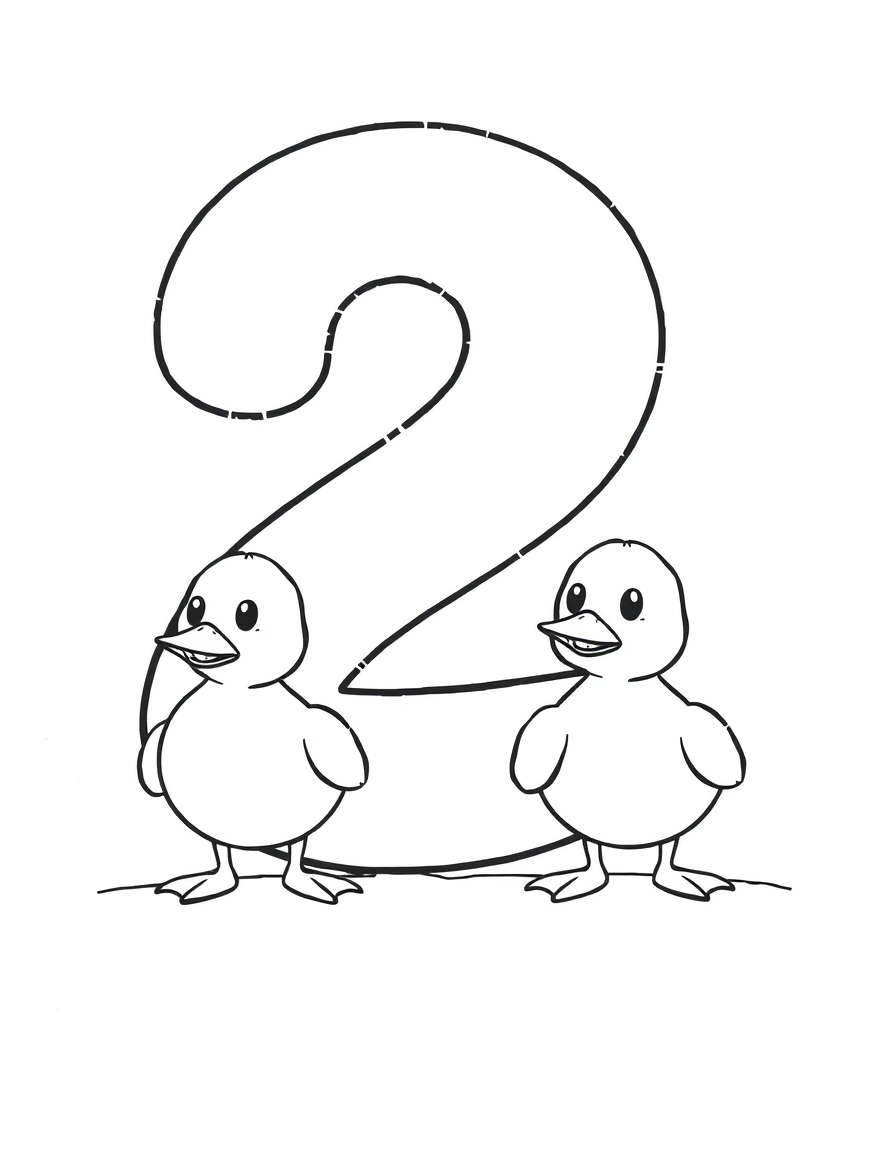
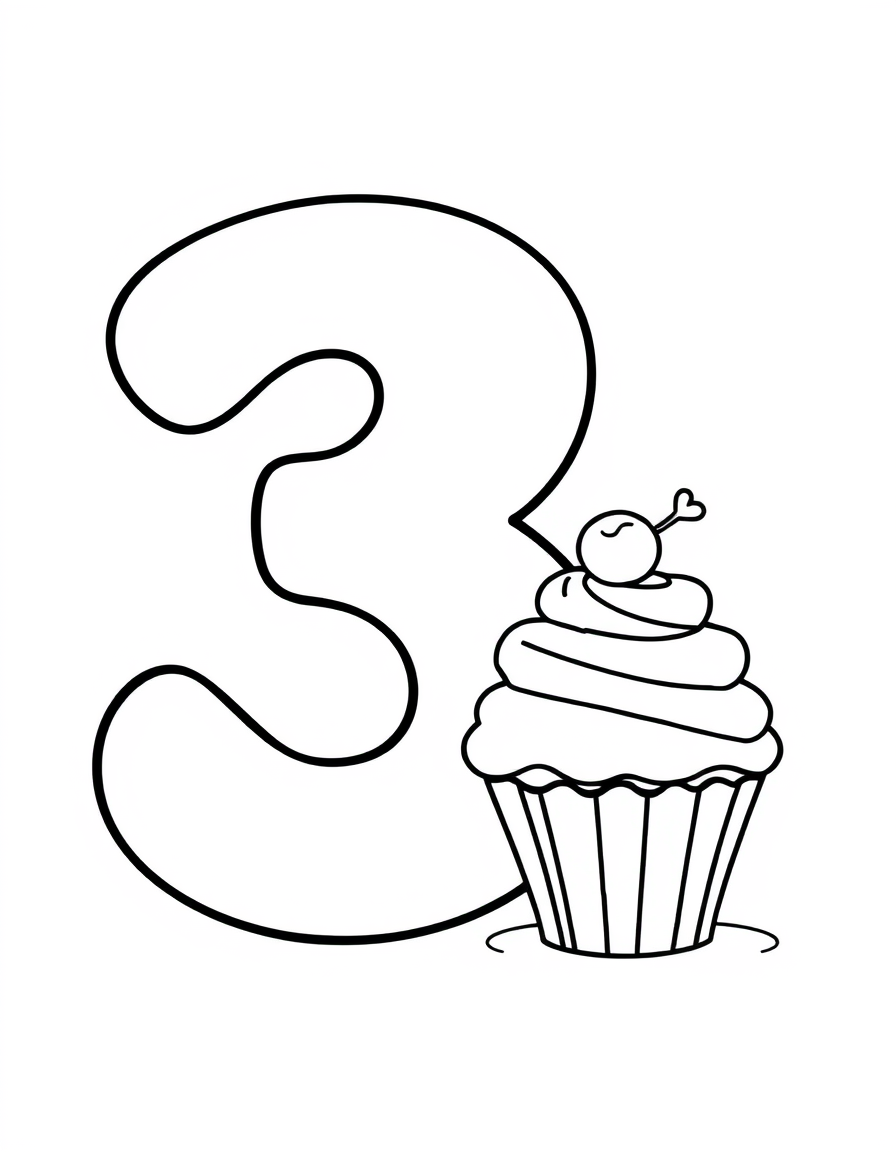
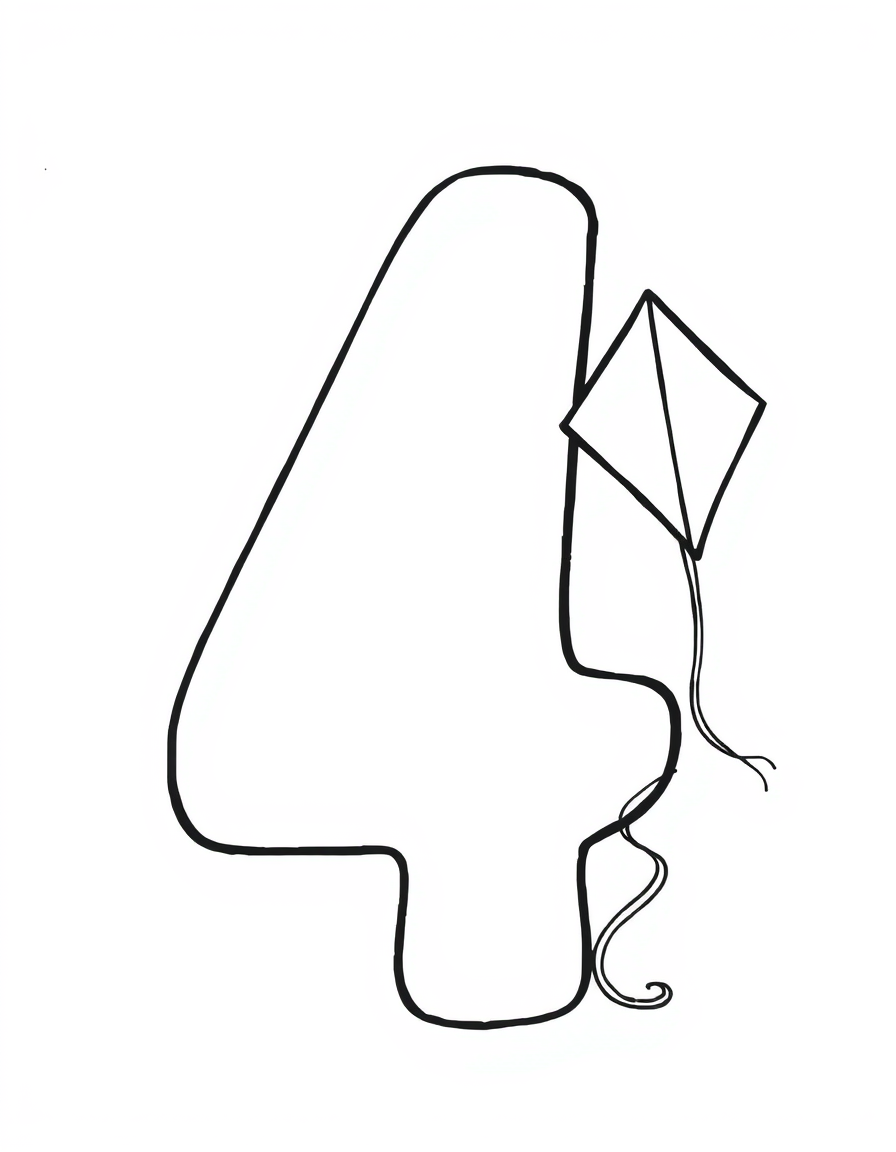
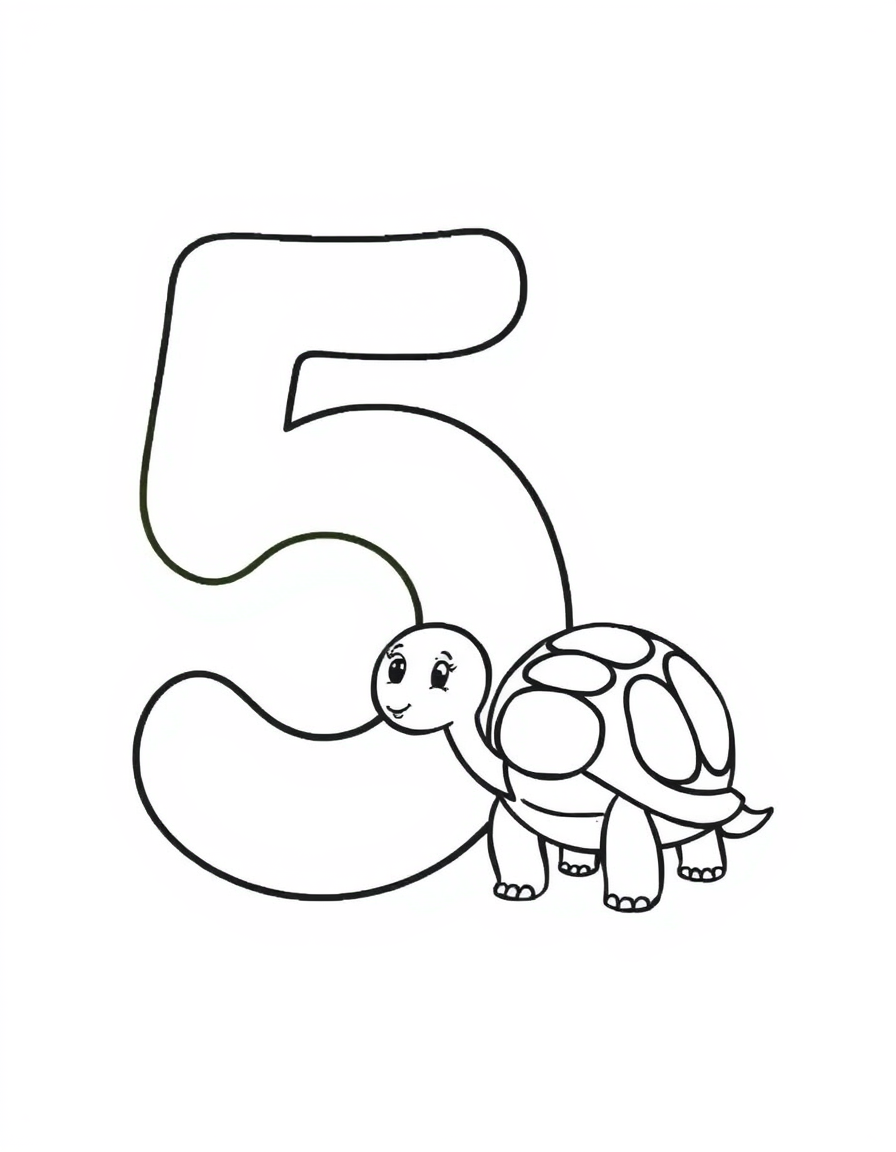
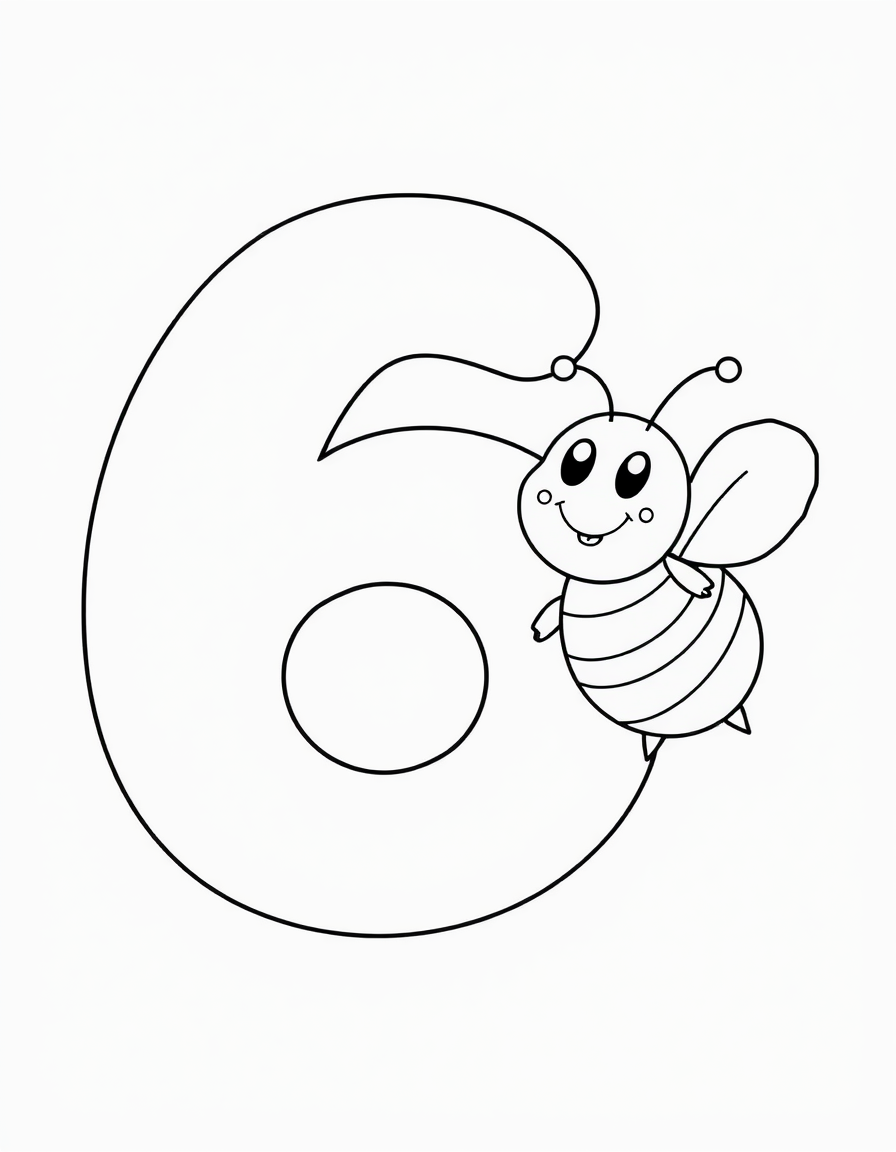
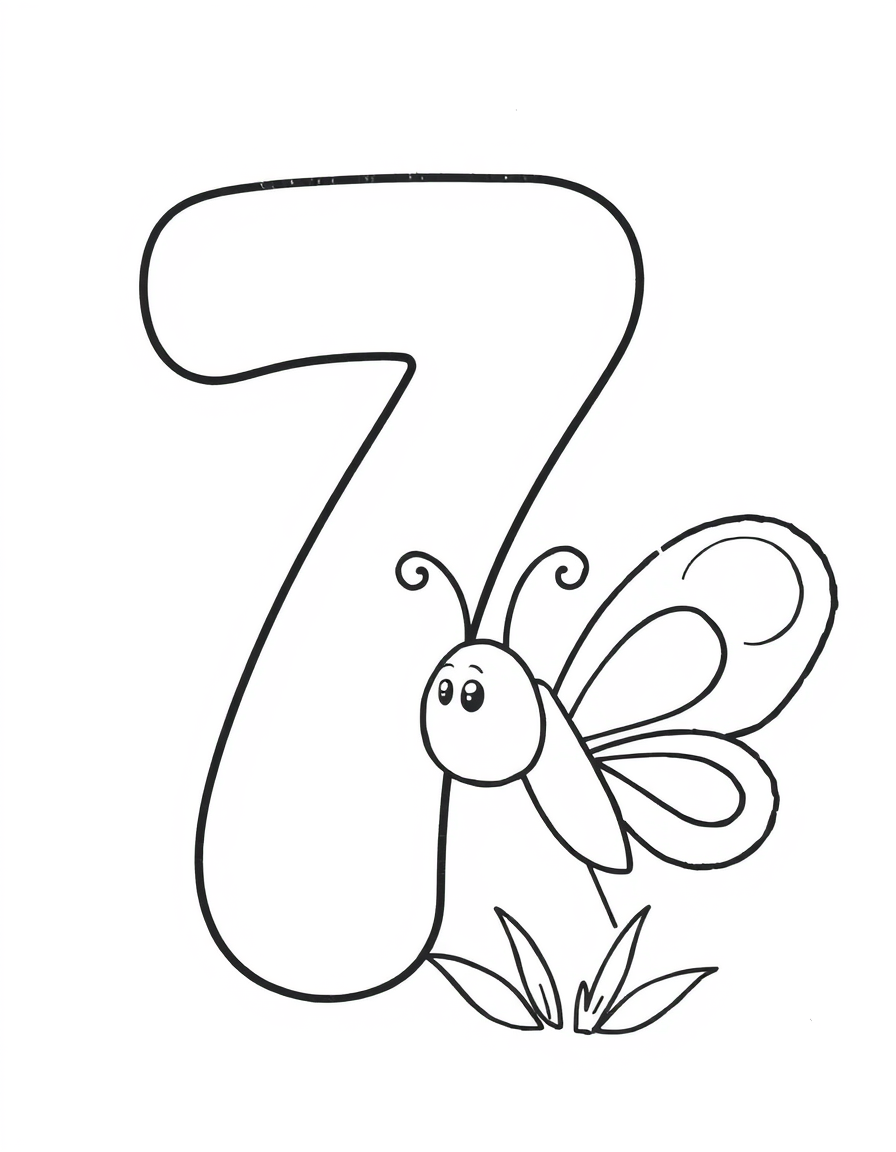
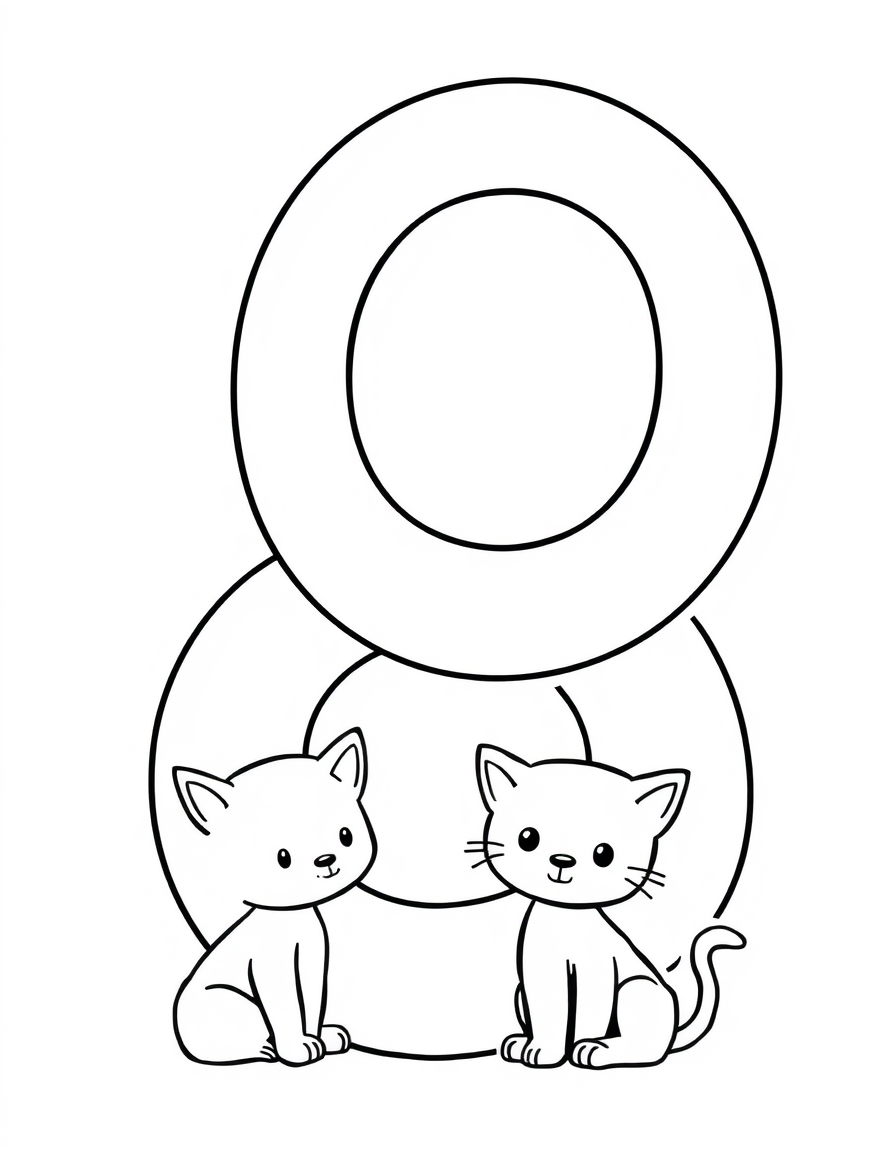
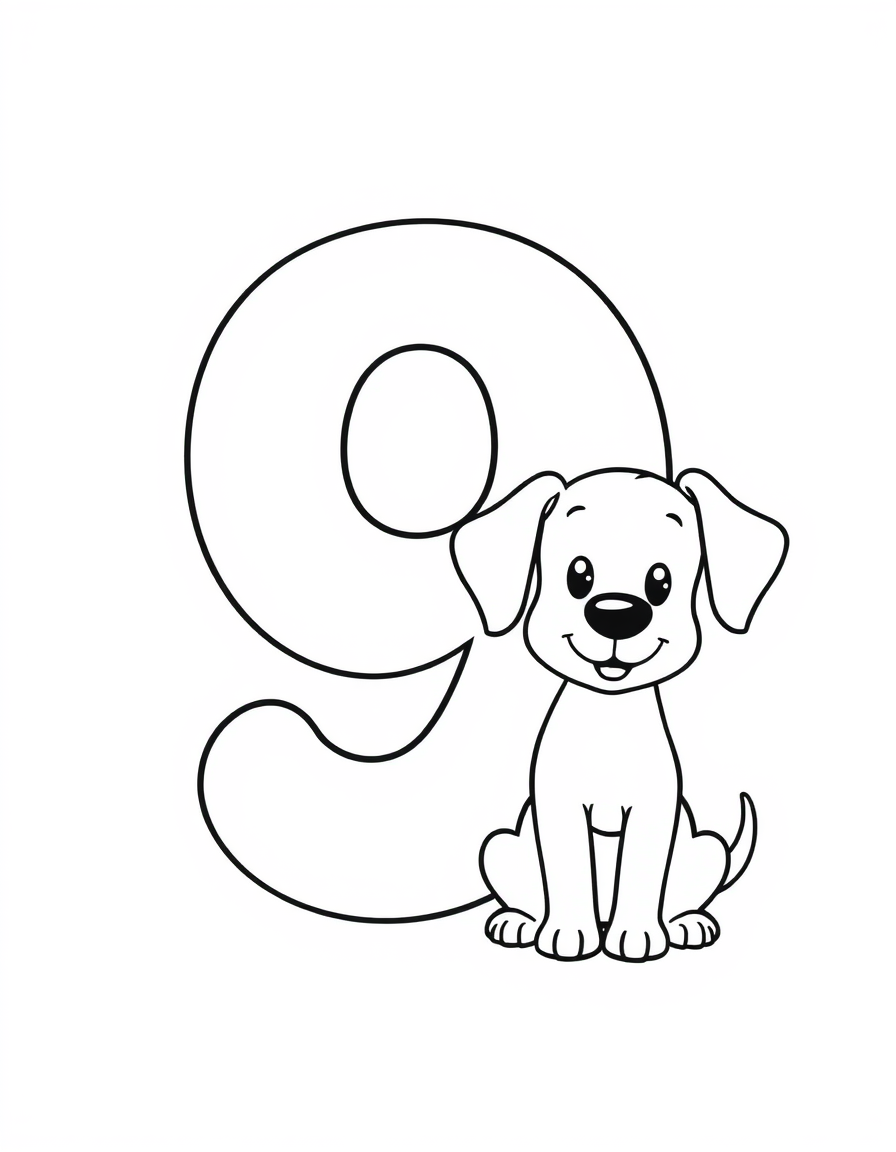
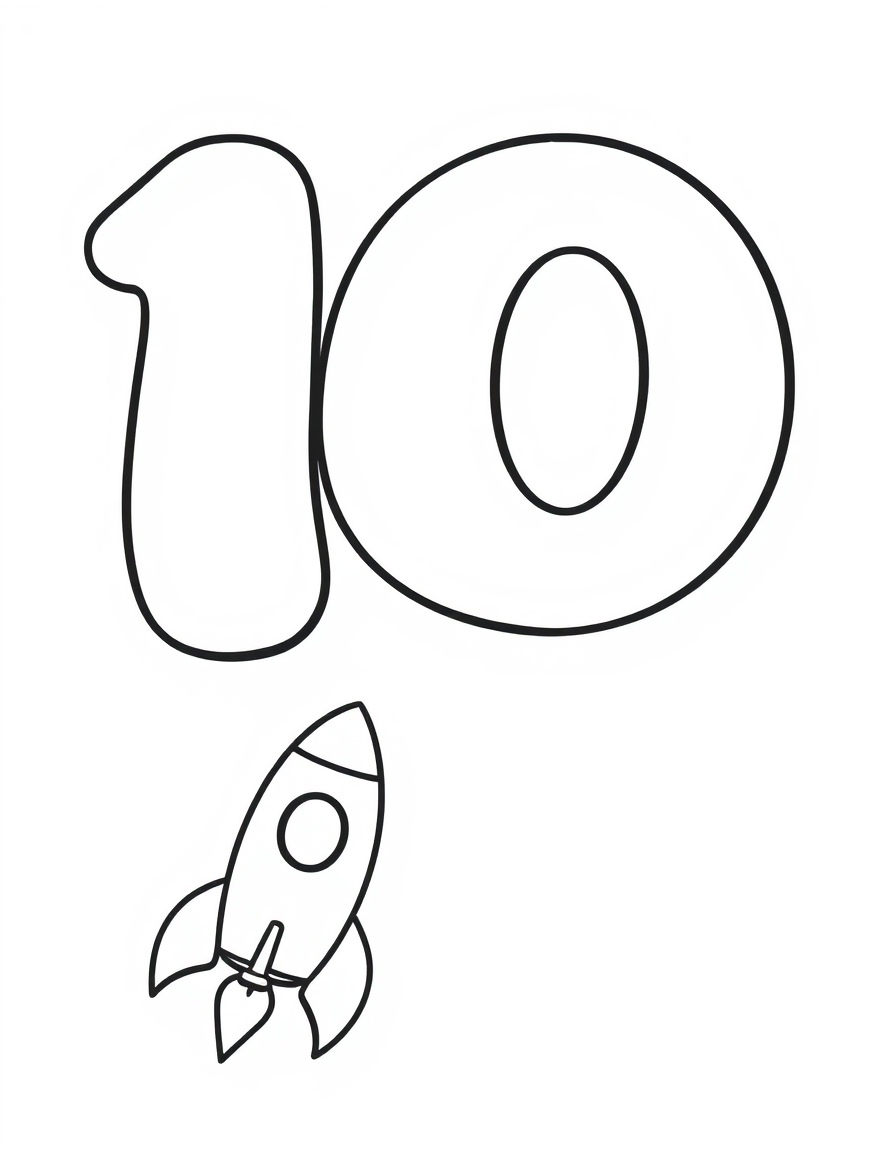
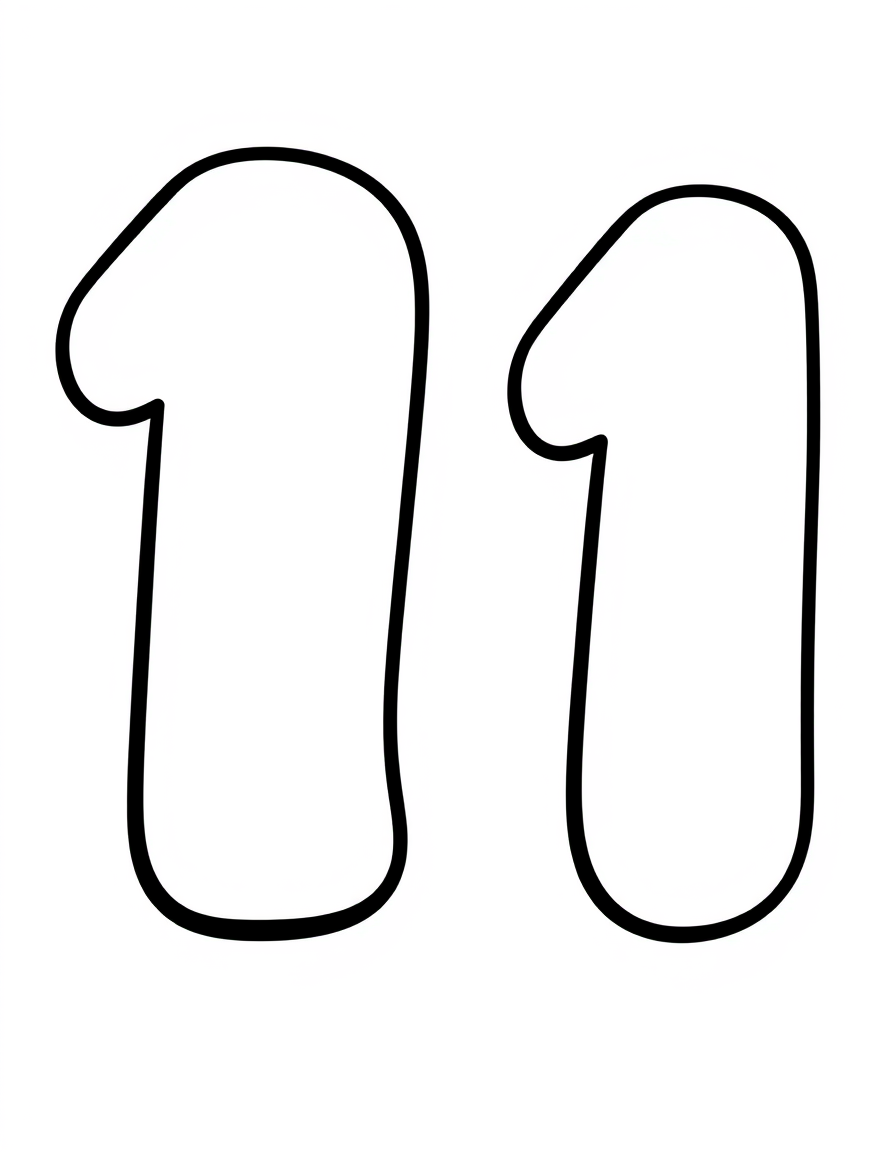
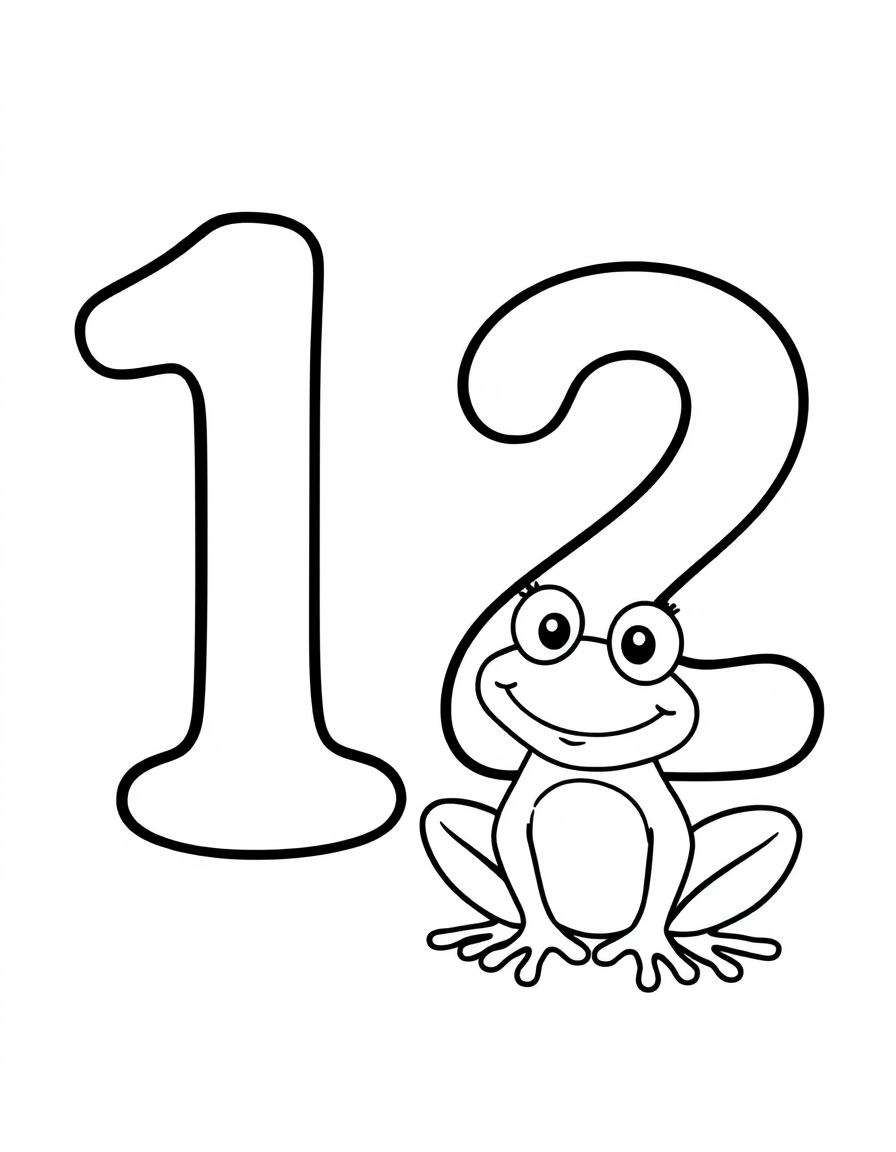
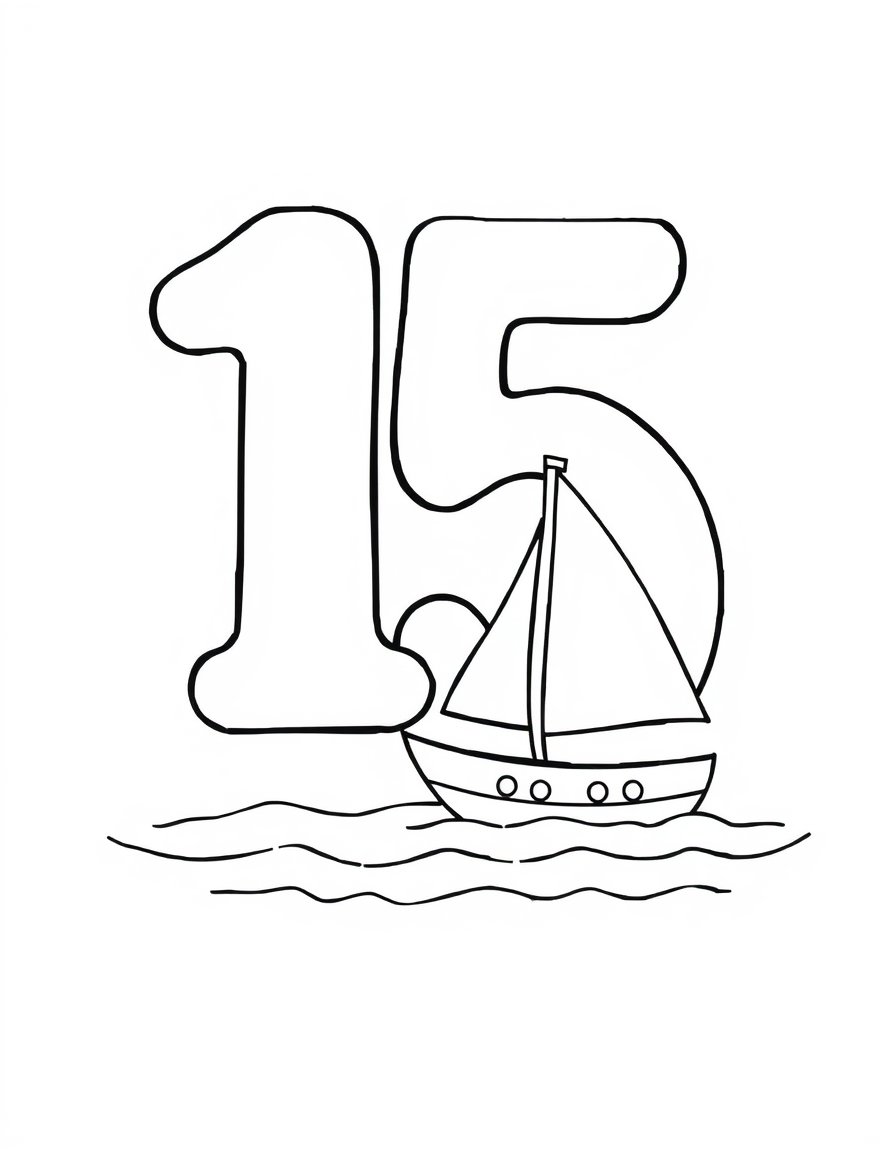
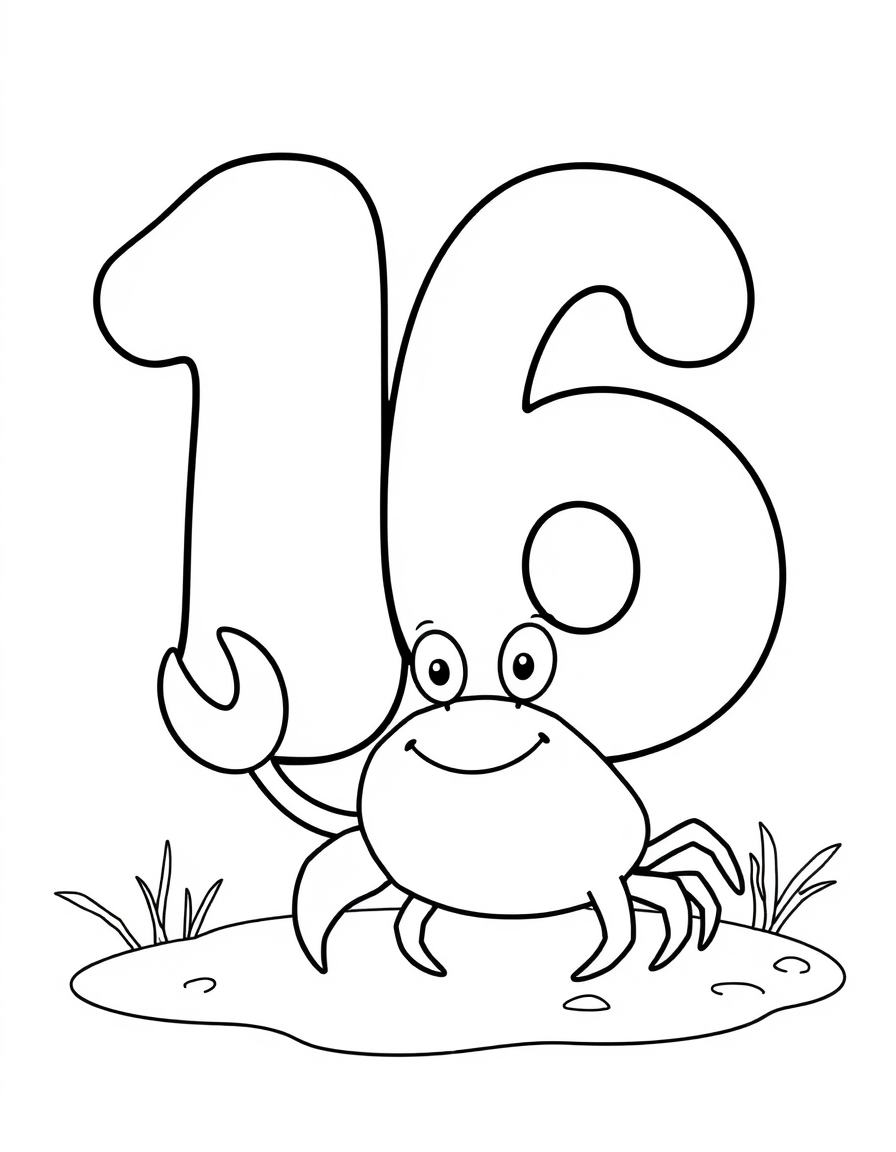
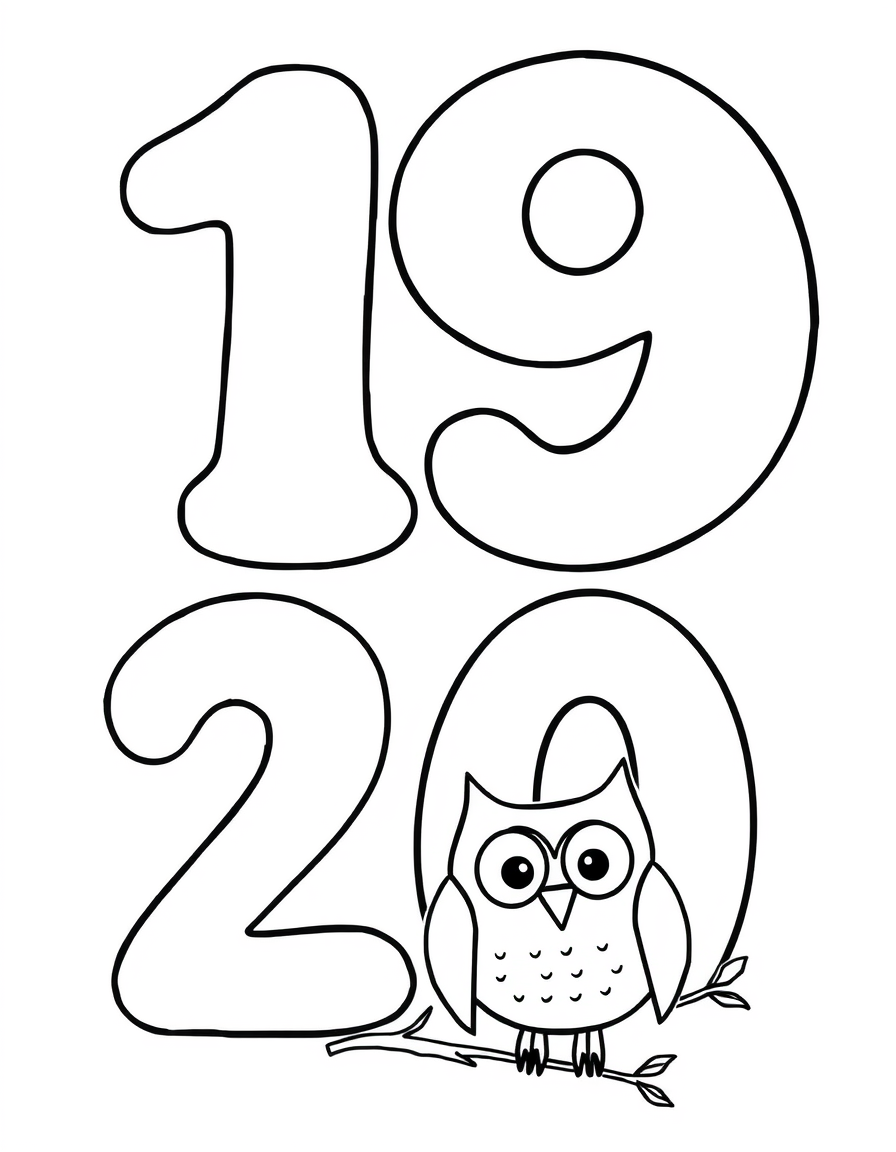
Every sheet in this set puts one number on the page and makes it big. The numerals are drawn as thick bubble outlines with wide blank middles, which is the shape a three year old can actually fill without crossing a line, and it is also the shape a finger can follow when a child is learning to write the digit rather than just recognise it. Most of the pages add one friendly cartoon character beside the number so there is something to colour once the digit is finished. Every design downloads as a free printable PDF sized for US Letter paper.
These printable number coloring pages work for two different jobs, and it helps to know which one you are doing. Recognising a numeral means looking at a shape and saying its name. Writing it means moving a pencil in the right direction, which is a separate skill and usually arrives months later. The open middles on these sheets suit both. Trace first with a finger, name the number out loud, then colour it in.
Start with the numbers 1 to 10
The single digits are the place to begin, and they are the ones most parents and teachers print first. Number 1 With One Apple and Number 2 With Two Ducklings pair the numeral with a matching group to count, which is worth doing while the quantities are still small enough for a child to check at a glance.
From three onward the sheets put a single character beside the number instead, so nothing on the page contradicts the counting you are doing out loud. Number 3 With a Cupcake, Number 4 With a Kite and Number 5 With a Turtle carry a child through the first five. Number 6 With a Bumblebee, Number 7 With a Butterfly, Number 8 With Kittens and Number 9 With a Puppy finish the single digits.
Two of those are worth extra time. The 6 and the 9 are the same loop pointing in opposite directions, so print them together and let your child hold the two pages side by side. That comparison explains the difference faster than any amount of describing it. The 8 is the other one, because almost every child draws it as two circles stacked up. Following the single continuous line with a finger fixes that early, while it is still easy to change.
Then keep going past ten
Number 10 With a Rocket is the first two digit number a child writes, and it deserves its own moment. Name the 1 and the 0 separately before you say ten, because plenty of children read it as one and zero for months.
After that the teens start. Number 11 and Number 12 With a Frog are the hard pair, since neither word tells a child anything about how the number is built. Eleven especially hides nothing at all. Number 15 With a Sailboat and Number 16 With a Crab come later in the run, and fifteen is the one to slow down on because it is the first teen whose spoken name changes the sound of the digit. Numbers 19 and 20 With an Owl closes the set with both numerals stacked on one sheet, which makes it easy to point at the moment the pattern breaks and twenty starts a new group of ten.
How to use these sheets at home or in class
Hand over one number at a time rather than the whole set. A child who colours ten numerals in one sitting has done a colouring activity, not a counting one. One page, one number, one conversation about it works far better.
Say the number out loud at least three times while the page is being coloured, and vary how you say it. Name it, count up to it, then count back down from it. Counting backwards is harder and children almost never practise it on their own.
Keep the finished pages. A stack of numbers a child has already coloured turns into a reference they made themselves, and pointing back at their own work when a number comes up later is more convincing than pointing at a poster.
If you are printing for a classroom, these pair well with the rest of the back to school printables, and the reading coloring pages cover the same early learning ground on the letters side.
Frequently Asked Questions
What age are these number coloring pages for?
They suit roughly three to six years old. The outlines are thick enough for a preschooler holding a chunky crayon, and the numerals are large enough to trace with a finger, which is what makes them useful for kindergarten handwriting practice as well as colouring.
Are these colour by number pages?
No. Every sheet here is a large outlined numeral to trace and colour, not a picture divided into numbered regions. If you came looking for colour by number puzzles, these will not do that job.
Which sheet should I print first?
Print the number your child is working on rather than starting at one out of habit. If they already count to five confidently, starting at Number 6 With a Bumblebee keeps their attention better than repeating ground they have covered.
My child writes some numbers backwards. Do these help?
They help more than a worksheet does, because the numerals are large enough to trace with a whole finger rather than a pencil tip. Reversals are most common on 3, 6 and 9. Trace the shape in the right direction several times before any colour goes down, and do it on the page rather than in the air where there is nothing to follow.
What do I need to print them?
A home printer and plain US Letter paper. Each sheet downloads as a free PDF at full page size. Ordinary copier paper is fine for crayons and pencils, and slightly heavier paper holds up better if your child prefers markers.
Can I use these in my classroom?
Yes. Print as many copies as you need for your own class or family. The pages are free to download and print.